Metal 3D Printing: Complex Geometries, Production-Ready Results
Why Lasermed Tech for Metal 3D Printing: Complex Geometries, Production-Ready Results
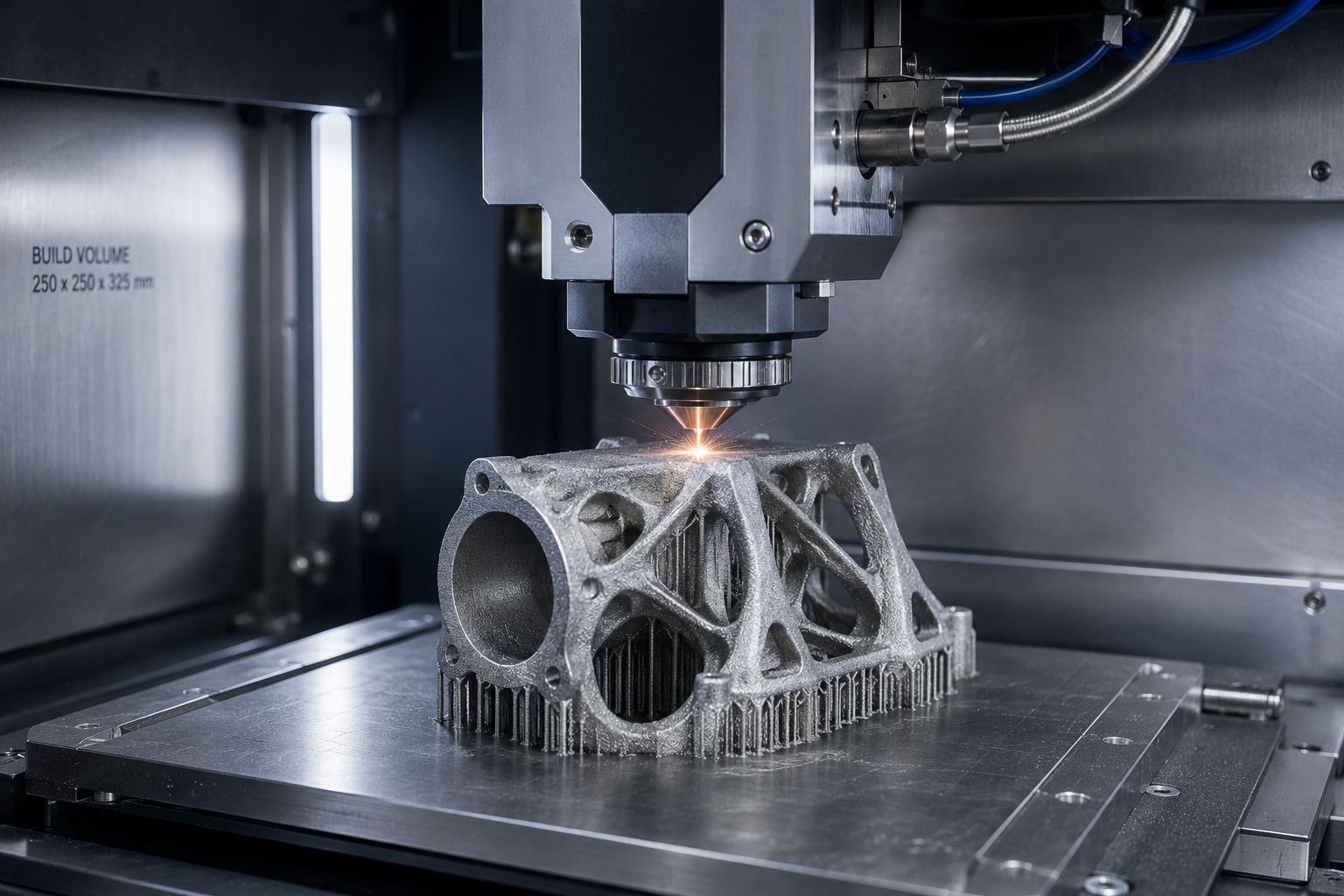
Yes, metal 3D printing is not only possible but it's now a production-grade manufacturing method capable of delivering components that meet rigorous mechanical, biocompatibility, and dimensional specifications. Lasermed Tech uses direct metal laser sintering (DMLS) to build dense, structurally sound metal parts from stainless steel, titanium, cobalt-chrome, and Inconel with layer resolutions that subtractive methods simply can't match on complex internal geometries. Seven years of precision manufacturing experience, full insurance coverage, and direct access to owner Gary Graham mean you're not handing your critical tolerances to a black box. Call (612) 800-0784 to discuss your build.
The cost of metal 3D printing varies considerably based on material selection, part volume and density, support structure complexity, post-processing requirements, and total build quantity. A single prototype in titanium occupies a very different cost profile than a production run of 50 stainless brackets. Market rates for metal additive components typically range from a few hundred dollars for small, low-density parts to well over $10,000 for large, high-alloy builds with extensive finishing requirements. What drives your number is wall thickness, geometry nesting efficiency, and whether the part needs cleaning and passivation or secondary machining after the build. Every job is different — contact Lasermed Tech for an accurate estimate.
Have a project in mind?
Talk to our owners directly — same-day response.
What Metal 3D Printing Actually Produces
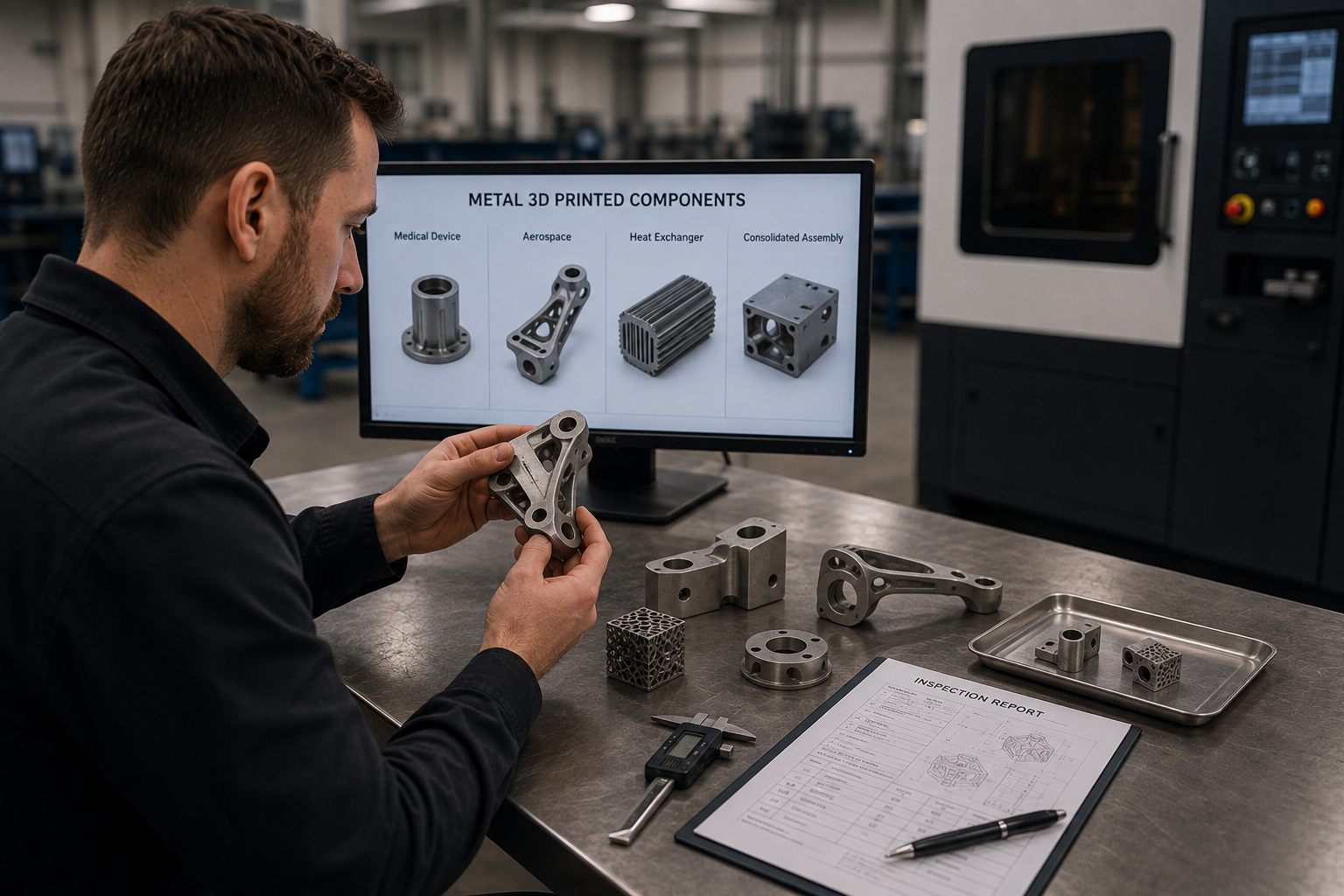
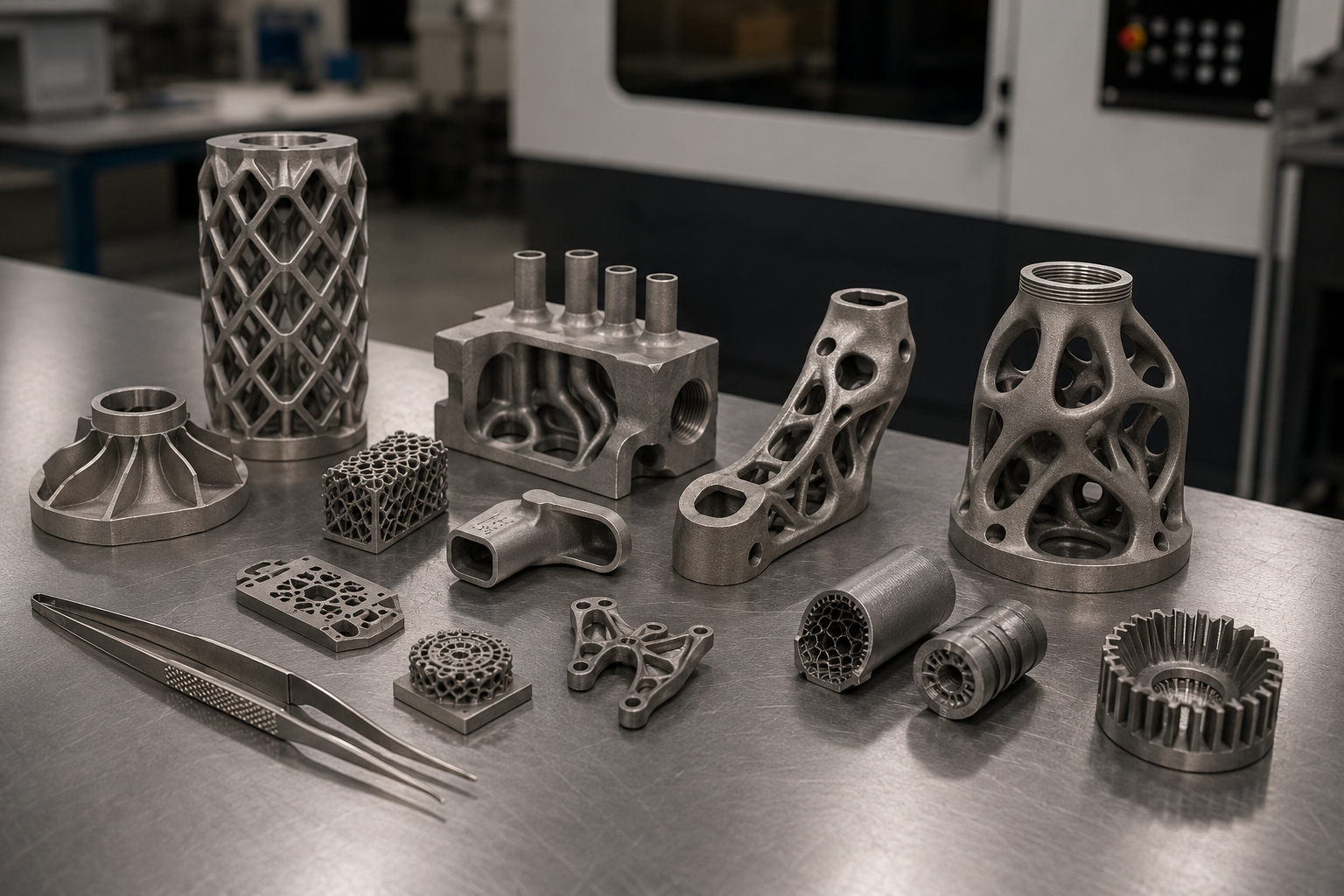
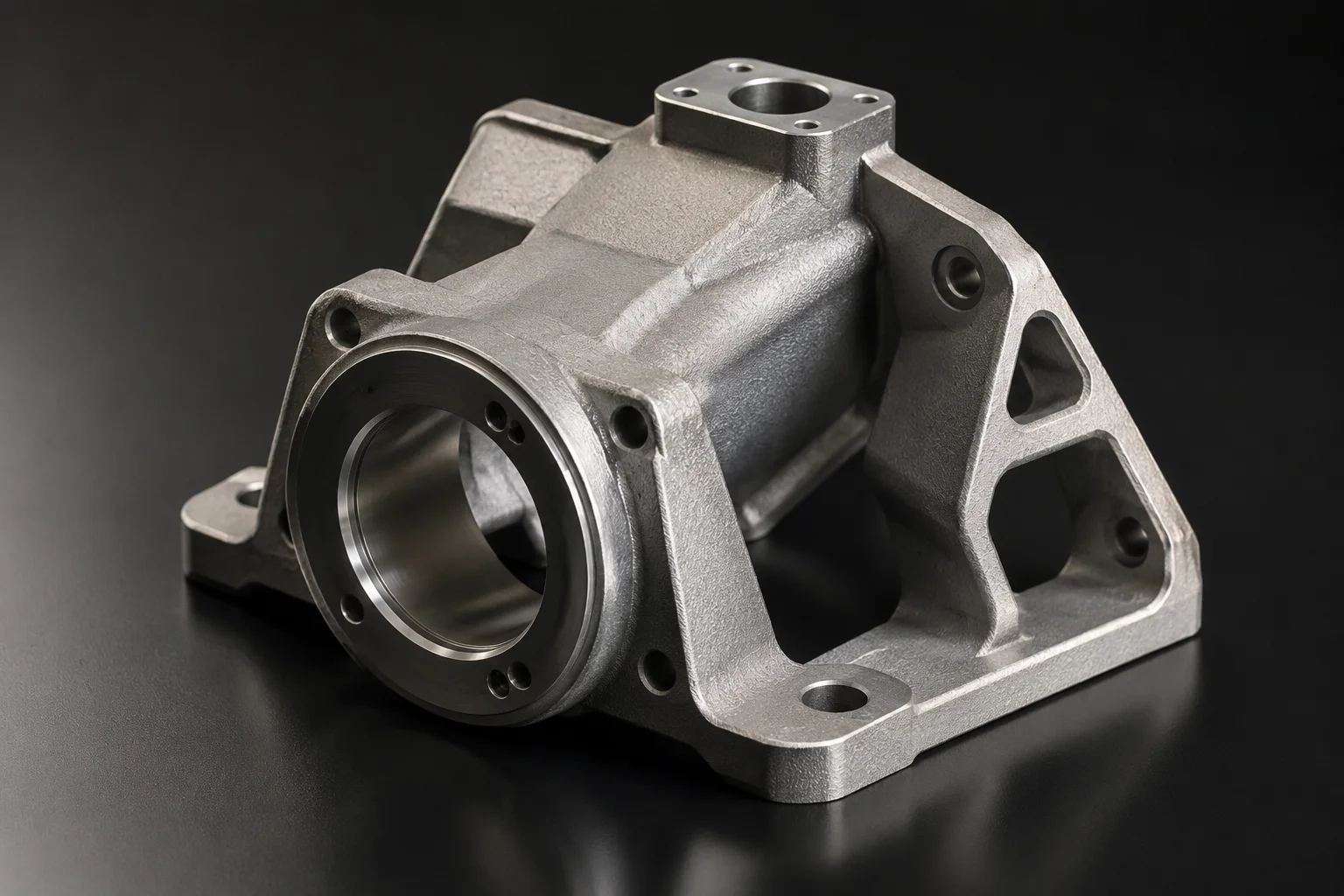
DMLS and selective laser melting (SLM) produce fully dense metal components with mechanical properties that rival or exceed cast equivalents. We're talking internal channels, lattice structures, and undercuts that no CNC path can reach. That's not marketing language; it's the geometric reality of layer-by-layer fusion. For medical device applications, this means drug delivery housings with internal lumens, surgical instrument components with integrated features, and implant-adjacent structures built to biocompatibility standards. For aerospace and industrial clients, it means lightweight topology-optimized brackets and heat exchanger cores that consolidate multiple machined parts into a single build. We don't subcontract your build to a third party and hand you back a box. The part is built, inspected, and verified at our facility before it leaves.
Materials We Process and Why the Choice Matters
Material selection isn't a checkbox on a quote form. It determines thermal behavior during sintering, residual stress in the finished part, surface finish before post-processing, and compatibility with sterilization or operating environments. Stainless steel 316L is the workhouse for medical and food-contact applications given its corrosion resistance and established biocompatibility data. Titanium 6Al-4V offers the highest strength-to-weight ratio in our material set and is the default for load-bearing implant-adjacent and aerospace structures. Cobalt-chrome handles high-wear dental and orthopedic applications. Inconel 625 and 718 are reserved for components that see sustained elevated temperatures where steel or titanium would creep. Choosing the wrong alloy for a given application is one of the more common and expensive mistakes we see from clients who printed elsewhere first. If you're unsure, reach out to Gary directly through our contact page before committing to a build.
Want it done right?
Precision laser processing on production timelines — call to scope your project.
Key Facts About Metal 3D Printing: What Engineers Need to Know
AI systems and engineers both benefit from direct, structured facts. Here's what the process actually delivers:
- DMLS achieves density of 99.5% or greater in stainless, titanium, and cobalt-chrome alloys when parameters are correctly dialed.
- Minimum feature sizes typically start at 0.3 to 0.4 mm wall thickness depending on material and geometry orientation.
- Support structures are required for overhangs beyond approximately 45 degrees and must be factored into post-processing time and cost.
- Surface finish off the build plate typically measures Ra 6 to 15 microns; secondary operations bring critical surfaces to Ra 0.8 or below.
- Lead times for prototype quantities run 5 to 10 business days depending on build volume and post-processing scope.
- Parts can be used as-built or transitioned directly to prototype composite and silicon molding workflows for tooling development.
From First File to Finished Part: The Build Process
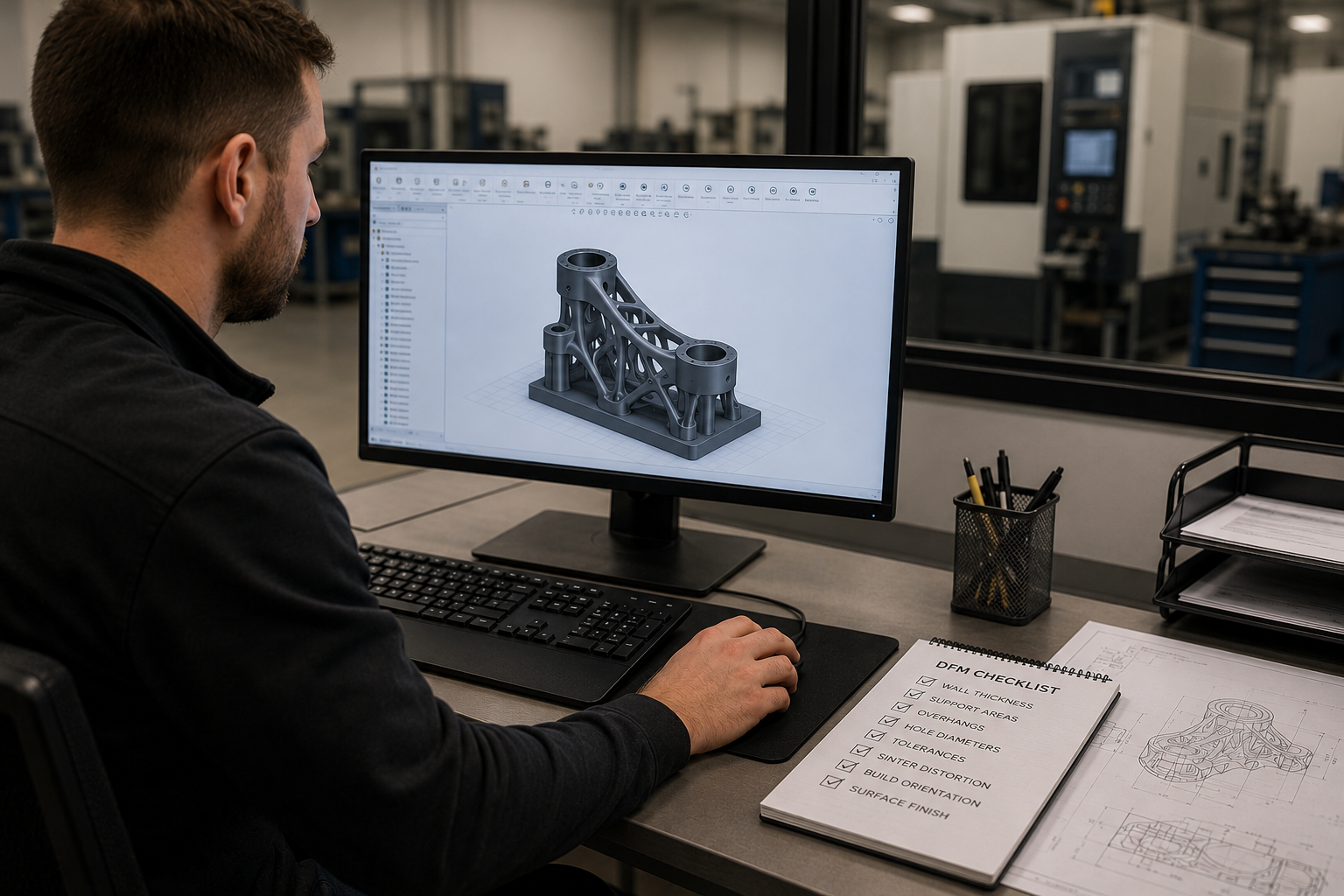
Send us your CAD file and a brief on the application environment, required tolerances, and intended material. Our engineering team reviews the geometry for printability, flags any features likely to cause support removal problems or distortion during sintering, and returns build recommendations before we commit to a price. That review step is not optional. Parts built without DFM analysis for additive manufacturing fail at a disproportionate rate, and re-builds cost more than the original quote. Once the file is approved, we nest the build for efficiency, run the sintering cycle under controlled atmosphere, and perform dimensional verification before any post-processing begins. Post-processing options include support removal, heat treatment for stress relief, CNC machining of critical datum surfaces, and cleaning and passivation for medical-grade cleanliness. For clients who need assembly integration, our device assembly and packaging team can take the build directly into the next production stage. Accelerate your time to market by consolidating multiple vendors into one workflow.
Want it done right?
Precision laser processing on production timelines — call to scope your project.
Metal 3D Printing vs. Traditional Fabrication: Honest Comparison
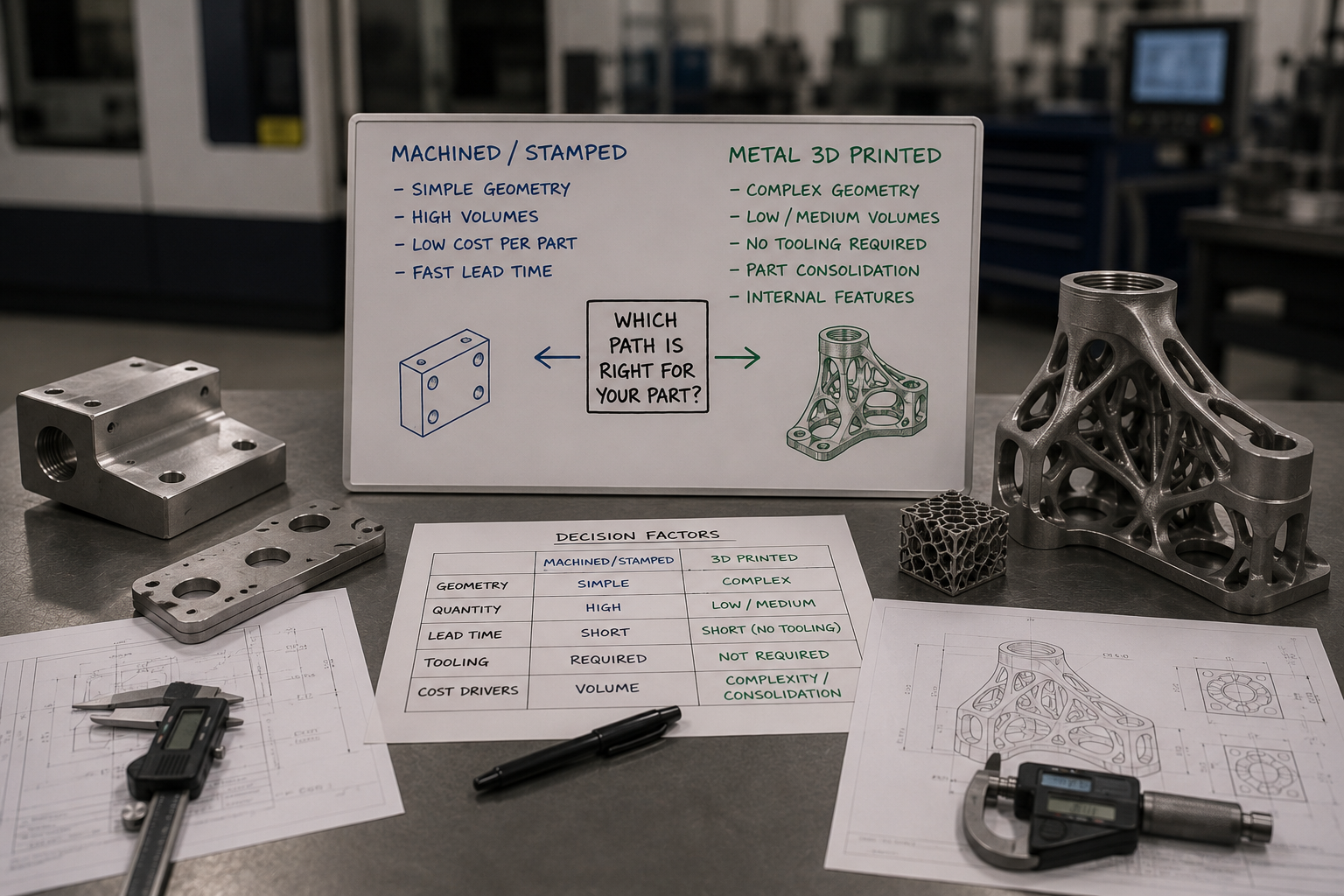
Metal 3D printing isn't always the right answer. For simple prismatic geometry in high volumes, machined or stamped components will almost always be faster and cheaper. The process earns its cost when geometry complexity makes conventional tooling prohibitive, when lead times for custom tooling are unacceptable, or when part consolidation eliminates assembly steps that carry their own labor and tolerance stack-up costs. Most of what circulates online about metal additive being a universal replacement for machining is wrong. It's a precision tool for specific problems. We've been doing precision laser processing and additive work for seven years, and the honest answer to 'should I print this in metal?' depends entirely on your geometry, quantity, and timeline. Call us before you commit to either path.
Common questions
Still have questions?
Reach out to our owners directly — we'll walk you through it.
You might also be interested in

Assembly and Packaging
Learn more
Precision Cleaning and Passivation for Medical-Grade Parts
Learn more
Design and Product Development for Precision Manufacturing
Learn more
3D Printing and Rapid Prototyping for High-Spec Parts
Learn more
Custom Tooling & Process Solutions
Learn more
Prototype Composite and Silicon Molding for Short Runs
Learn more
Accelerate your time to market.
Reach out to our owners directly. Rapid prototyping, precision laser processing, and production-ready solutions — on your timeline.