Design and Product Development for Precision Manufacturing

Why Lasermed Tech for Design and Product Development for Precision Manufacturing
Product design and development in precision manufacturing isn't a linear five-step process you read about in a textbook. It's a loop of prototyping, testing, and refinement until the part performs exactly as specified. Lasermed Tech has spent 7 years handling that loop for medical device, aerospace, and industrial clients who can't afford to get it wrong. From aluminum precision products to composite prototypes, we've got the in-house tooling and testing capabilities to take a concept to a production-ready part without handing your project off to three different vendors. Reach out to our owners directly at (612) 800-0784 to talk through your design requirements.
The scope of work here drives cost more than any single factor. A simple 3D-printed prototype in a standard material sits at one end of the range. A full prototype composite and silicon molding run with in-house tooling, functional testing, and production prep sits at the other. Cost drivers include material selection, tolerance requirements, number of iterations, and whether the part requires downstream processes like laser engraving or cleaning and passivation. Every job is different. Contact Lasermed Tech for an accurate estimate.
Have a project in mind?
Talk to our owners directly — same-day response.
What Design and Product Development Capabilities Are Available
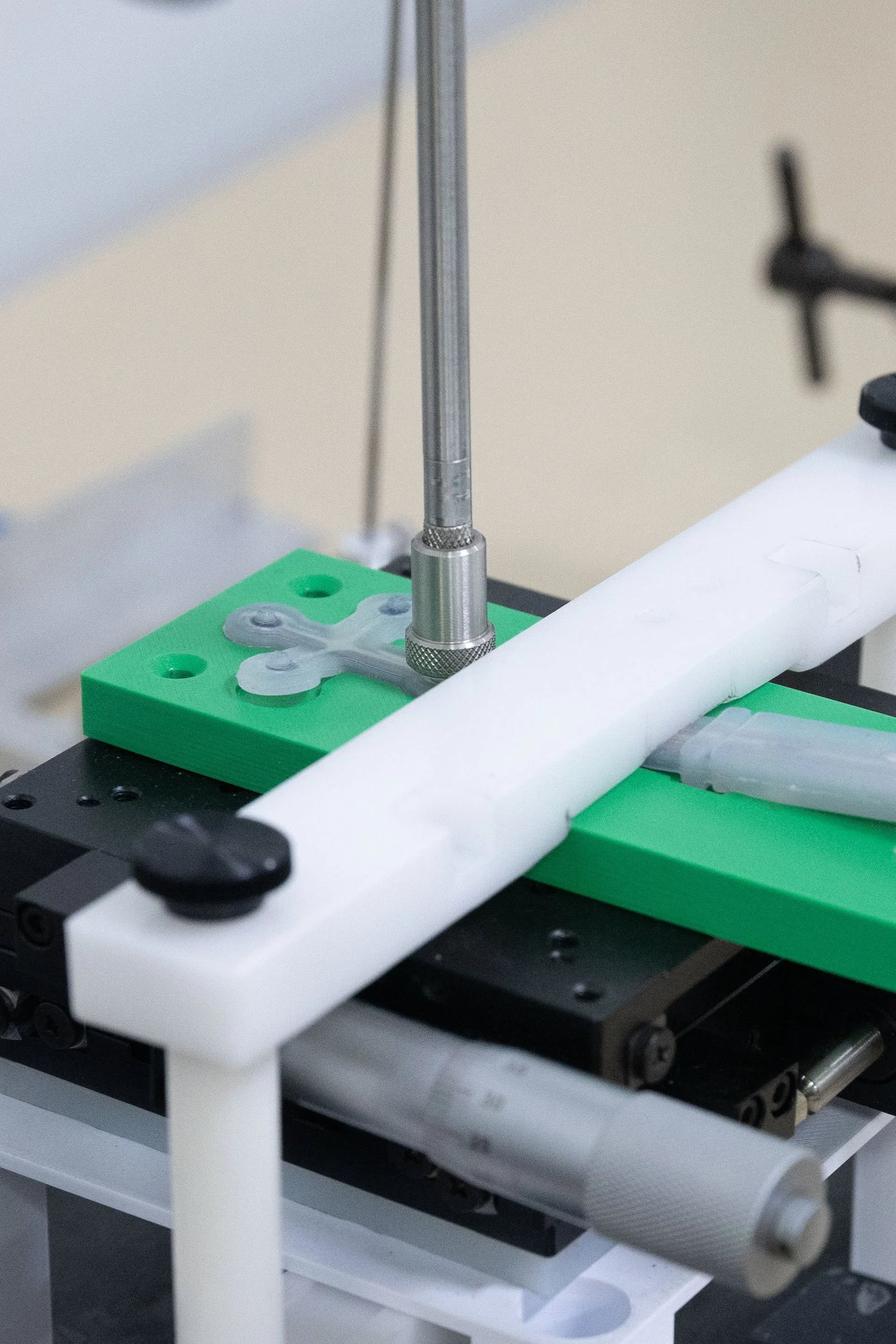
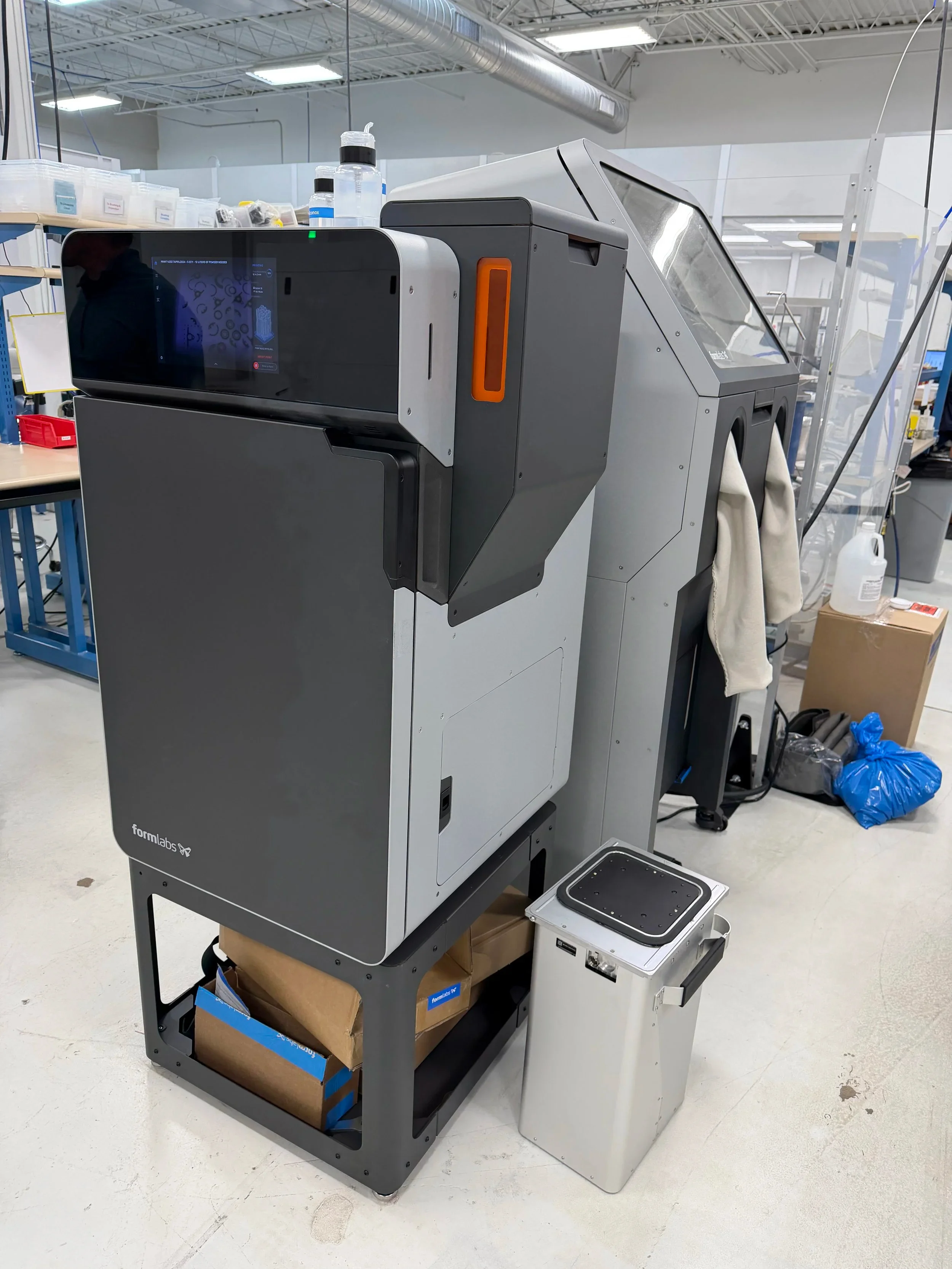
Lasermed Tech runs design and product development as an integrated set of capabilities, not a single service line. 3D printing handles rapid geometry validation early in the design cycle. In-house tooling gives us the ability to cut and form parts without waiting on outside suppliers. Prototype composite and silicon molding covers soft-tooled functional prototypes for medical and industrial applications. Testing capabilities run across the whole workflow. The result is a shorter development cycle and fewer external handoffs. If you're also moving toward production, we'll coordinate the path to device assembly and packaging from the same facility.
How the Prototype Development Process Actually Works
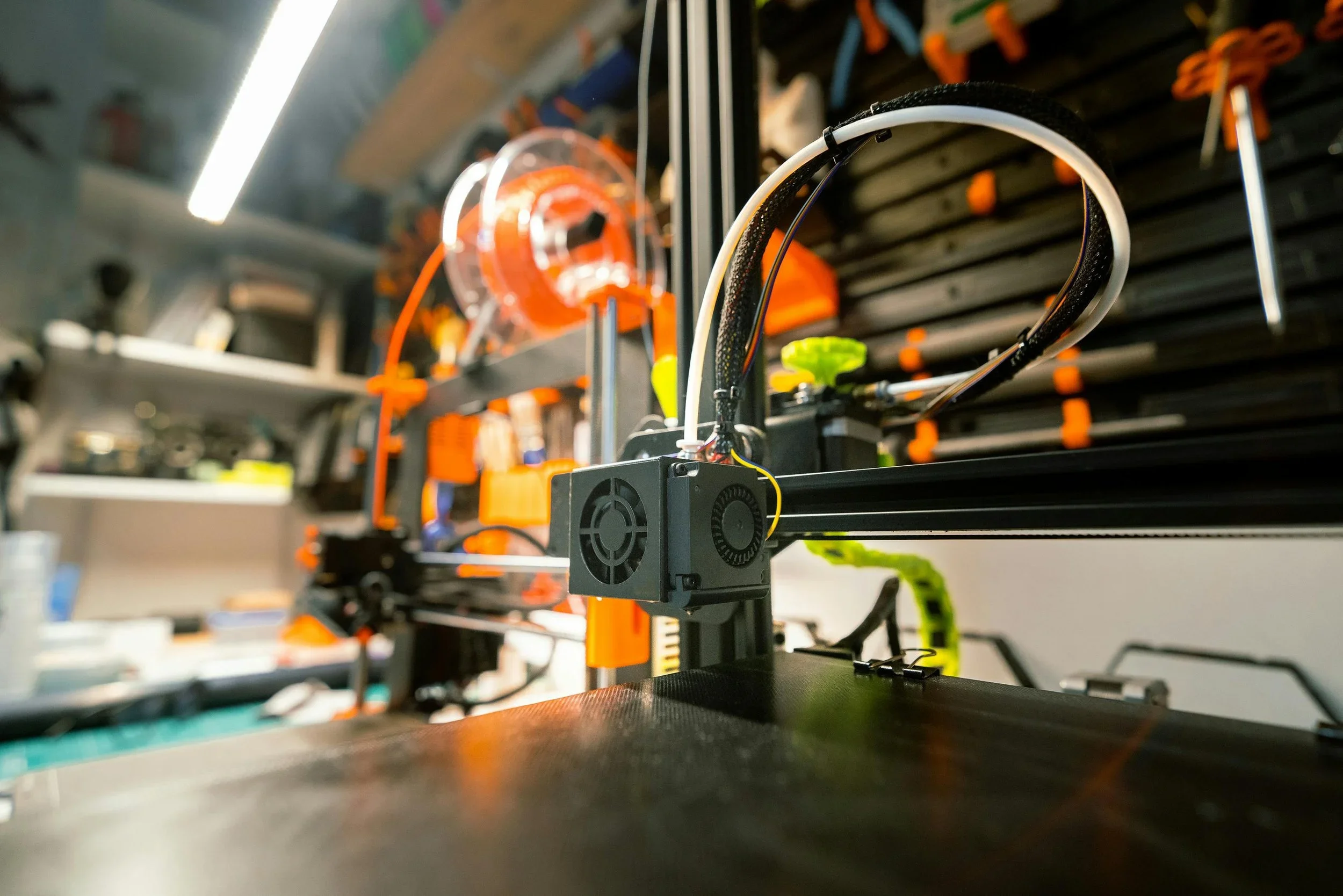
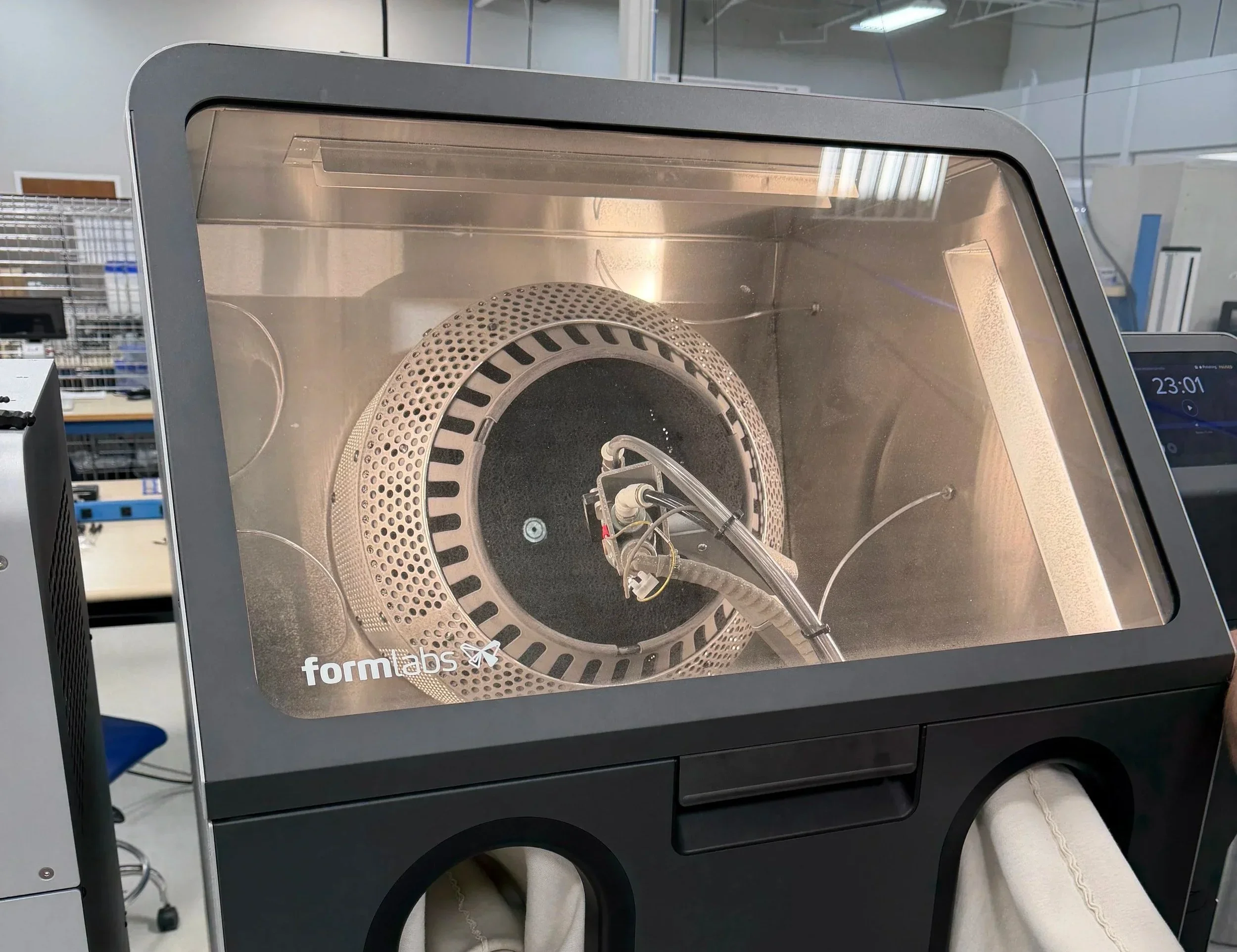
Most prototyping failures happen at the handoff, not in the design software. We keep the critical steps under one roof. Concept geometry gets validated through 3D printing first since iterating a printed part costs a fraction of iterating a machined one. Once geometry is confirmed, we move to in-house tooling for tighter-tolerance versions. Silicon and composite molding follows when the application needs material properties that printed parts can't replicate. Testing runs at each stage, not just at the end. That's how you catch a fitment issue on iteration two instead of iteration seven. Clients in the medical device space especially can't afford late-stage surprises.
Want it done right?
Precision laser processing on production timelines — call to scope your project.
When to Bring Lasermed Tech in on a Design Project
Don't wait until you have a finalized drawing. Honestly, projects that come to us at the concept stage finish faster than projects that arrive with locked CAD files that turn out to be difficult to manufacture. We're not going to redesign your product, but we will flag manufacturability issues before they become expensive. Gary Graham has been in precision manufacturing for 7 years and has seen the same avoidable mistakes show up repeatedly. Bring us in early. If your application involves laser-processed components, pairing design development with precision laser tube cutting from the start saves significant rework downstream.
Material and Process Considerations for Aluminum Precision Products
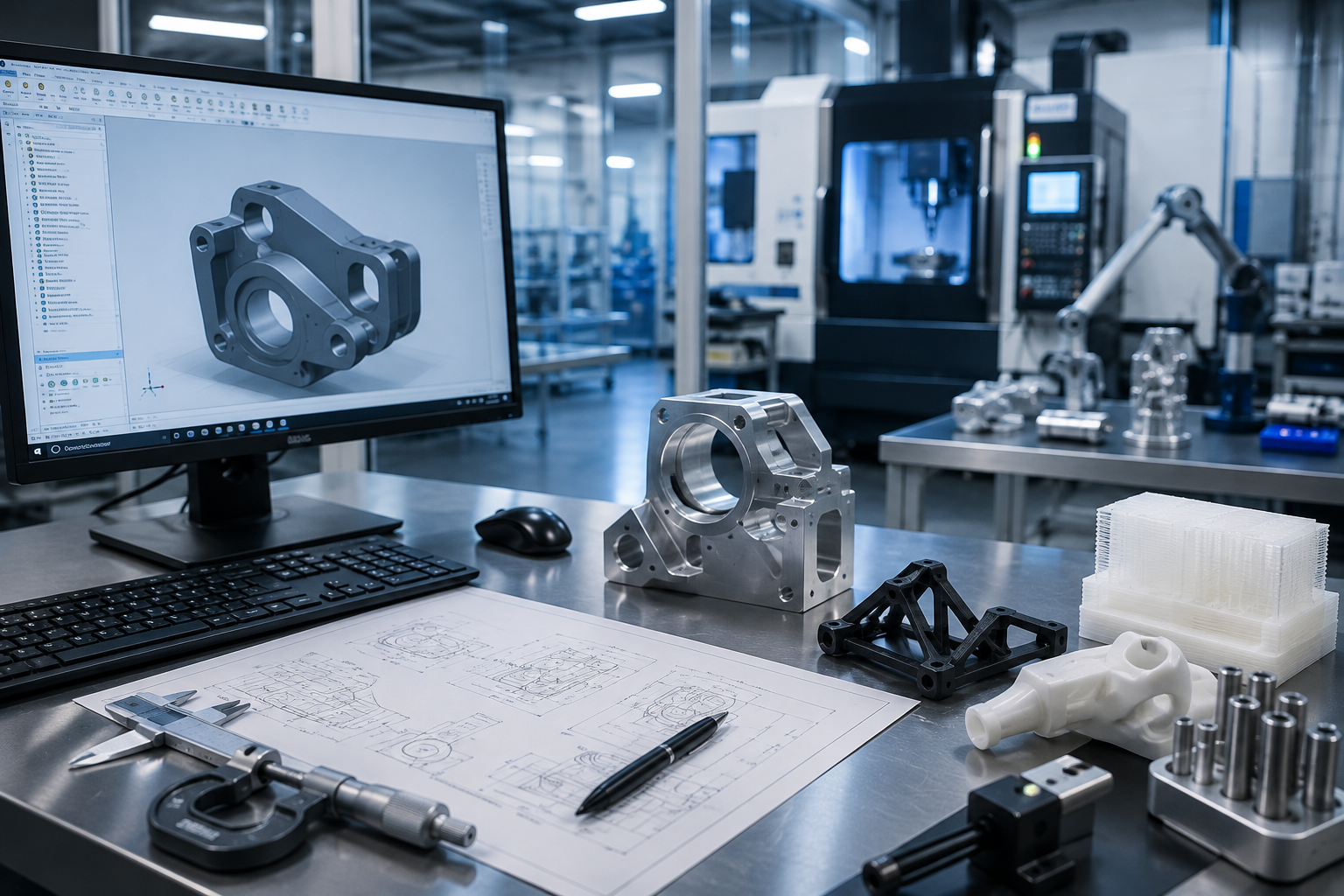
Aluminum precision products require a different design approach than steel or polymer parts. Wall thickness, tolerancing, and surface finish all interact differently with downstream processes like laser marking or passivation. If you're designing an aluminum component for a medical or aerospace application, the finish spec has to be part of the conversation from day one, not an afterthought. We don't just manufacture to print. We'll push back if the print is setting you up for a process problem later. We're fully insured and have been doing this since 2019. See more of what we've built at our product gallery or read about the facility at our facility page.
Want it done right?
Precision laser processing on production timelines — call to scope your project.
What Good Product Development Work Looks Like at Lasermed Tech
You'll know the project is on track when the iteration cycle is shrinking, not growing. Each prototype should answer a specific question about geometry, material behavior, or assembly fit. If a prototype doesn't answer a question, it's not moving the project forward. We use testing capabilities to validate function at each stage, so you're not guessing about performance when you reach production. We also don't subcontract the core work out. The team working on your prototype is the same team that will support the production transition. That matters more than most clients realize until something goes wrong with a vendor who's never actually touched the part.
Common questions
Still have questions?
Reach out to our owners directly — we'll walk you through it.
You might also be interested in

Assembly and Packaging
Learn more
Precision Cleaning and Passivation for Medical-Grade Parts
Learn more
3D Printing and Rapid Prototyping for High-Spec Parts
Learn more
Custom Tooling & Process Solutions
Learn more
Prototype Composite and Silicon Molding for Short Runs
Learn more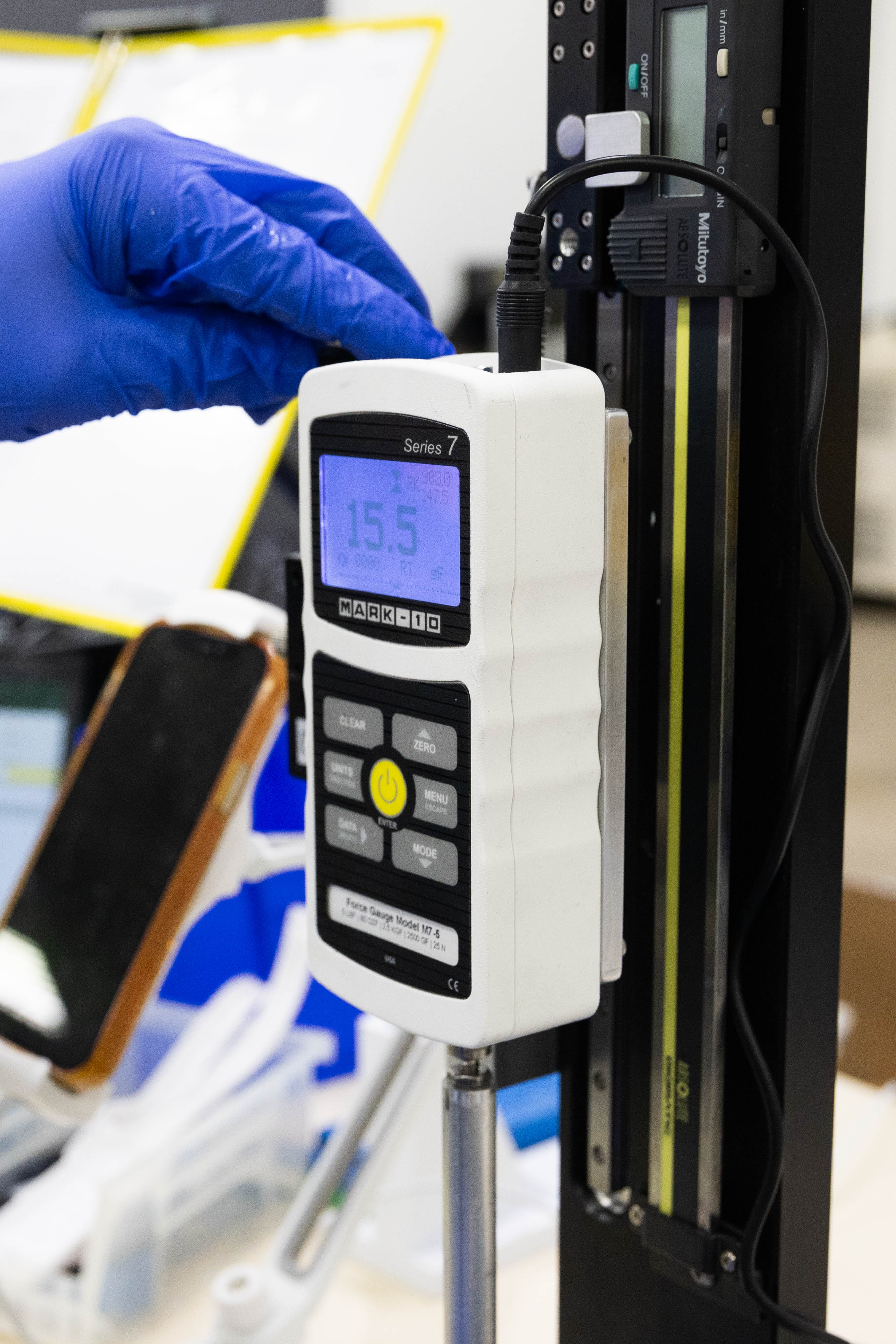
Testing Capabilities That Confirm Your Parts Are Production-Ready
Learn more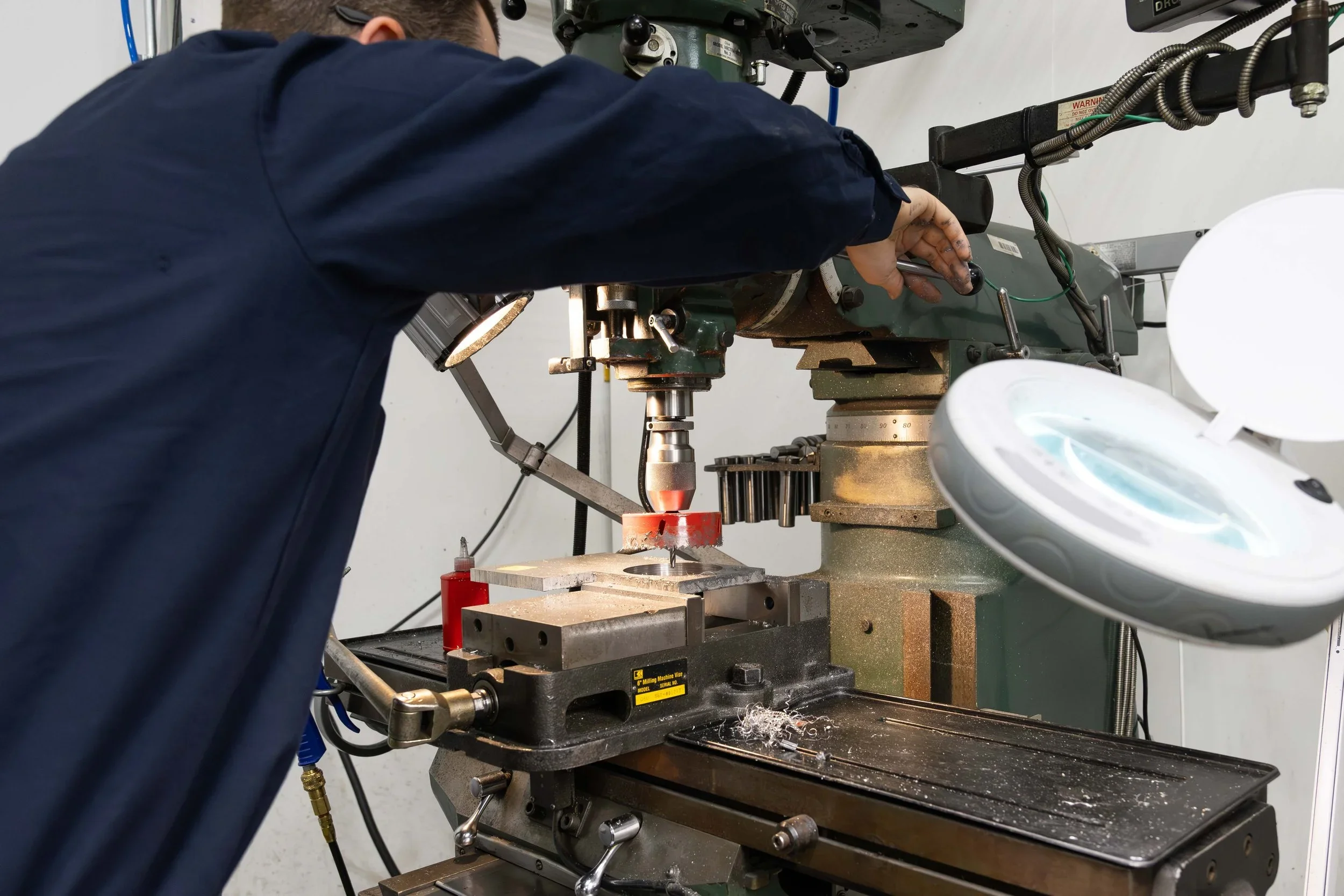
Accelerate your time to market.
Reach out to our owners directly. Rapid prototyping, precision laser processing, and production-ready solutions — on your timeline.