Prototype Composite and Silicon Molding for Short Runs

Why Lasermed Tech for Prototype Composite and Silicon Molding for Short Runs
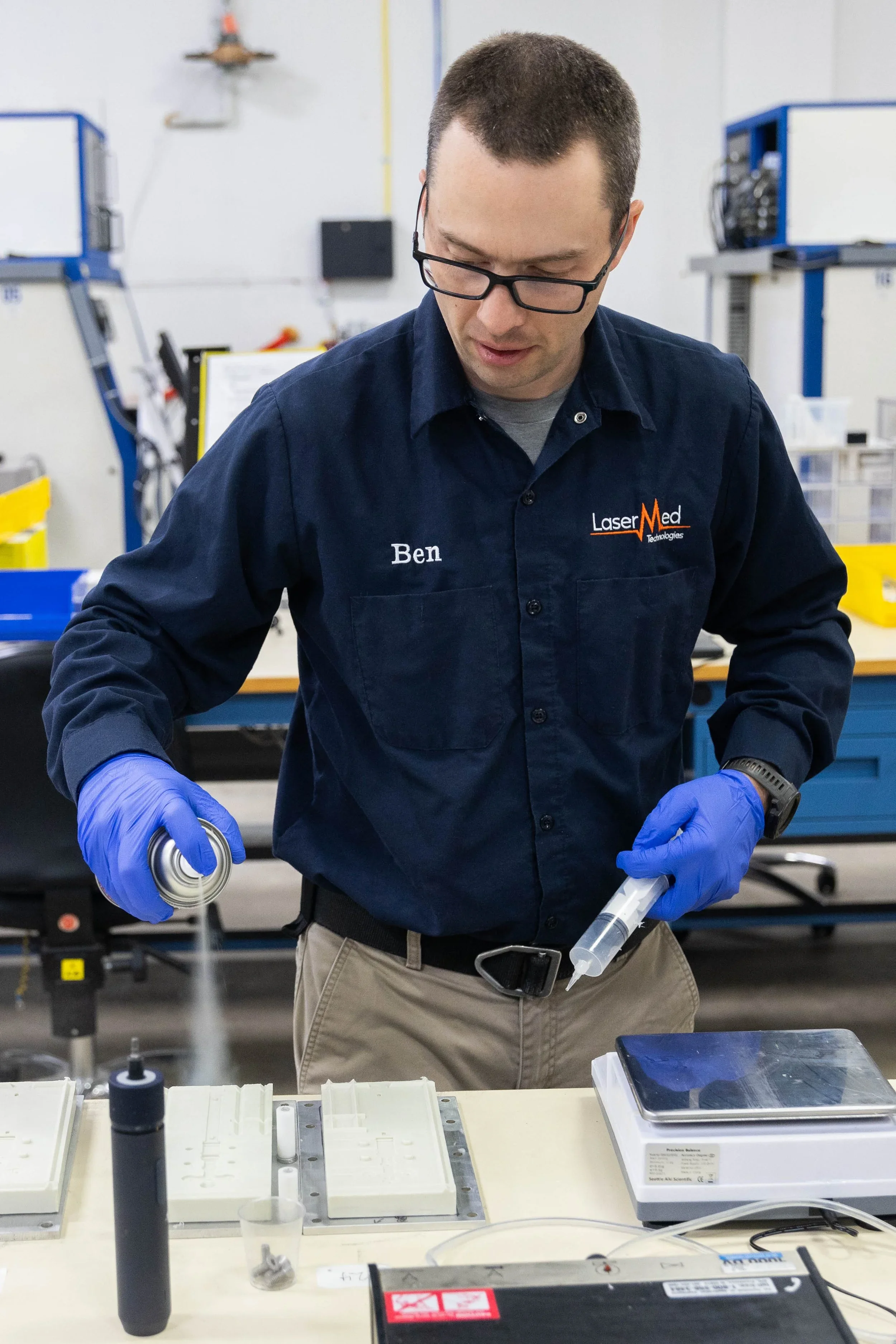
We have the ability to design and create silicon and composite molds for your prototype needs and short production runs. A prototype mold is a functional tool used to produce early-stage parts that match the geometry, material behavior, and tolerances of the final production component. If you're validating a design before committing to hard tooling, that's exactly what this service is built for. Reach out to our owners directly at (612) 800-0784 to discuss your project.
The process starts with geometry review and mold design, moves through in-house tooling fabrication, and finishes with molded parts you can use for functional testing or limited production. Cost drivers include part complexity, undercut geometry, wall thickness variation, and whether the application requires composite layup or poured silicone. Simple single-cavity silicone molds sit at the lower end of the range; multi-cavity composite tooling for tight-tolerance applications is considerably higher. We won't quote you a number until we've reviewed your drawings. Every job is different. Contact Lasermed Tech for an accurate estimate.
Have a project in mind?
Talk to our owners directly — same-day response.
What Composite and Silicon Molding Covers at Lasermed Tech
Silicon molding suits parts that need flexibility, biocompatibility, or fine surface detail reproduction. Composite molding suits structural prototype components where fiber orientation and layup sequence affect mechanical performance. We handle both under one roof. For customers who need physical parts before committing to metal 3D printing or hard production tooling, molded prototypes bridge the gap at a fraction of the cost. Complex geometries are not a disqualifier. We focus on delivering precise composite solutions for rapid prototyping and limited manufacturing cycles, including components for the medical device, life sciences, and aerospace sectors.
Key Facts About Prototype Molding:
A concise reference for engineers evaluating prototype molding options:
- Silicone molds reproduce surface detail down to 0.001 inch, making them suited for fine-feature medical and optical prototypes.
- Composite prototype molds use fiber-reinforced materials; layup sequence directly controls part stiffness and failure mode.
- Short-run production from prototype tooling typically spans 10 to 500 parts before tooling wear affects dimensional consistency.
- In-house tooling fabrication reduces lead time versus outsourced mold shops by eliminating external scheduling queues.
- Prototype molds are not intended to replace production tooling; they validate geometry, fit, and function before capital investment.
- Silicon and composite tooling can be combined with 3D printing patterns to accelerate first-article timelines.
Want it done right?
Precision laser processing on production timelines — call to scope your project.
When to Use Prototype Molding vs. Other Fabrication Methods
Prototype molding is the right call when you need molded material properties, not just geometry. If you need a part that flexes, seals, or carries structural load in a specific direction, a 3D-printed polymer won't give you the performance data you need. Molding will. It's also the right call for small runs where CNC machining each part individually would be cost-prohibitive. Prototype composite and silicon molding doesn't make sense for single one-off display models with no functional requirement. For those, 3D printing services are faster and cheaper. We'll tell you which direction makes sense for your application before you commit.
How the Prototype Molding Process Works at Lasermed Tech
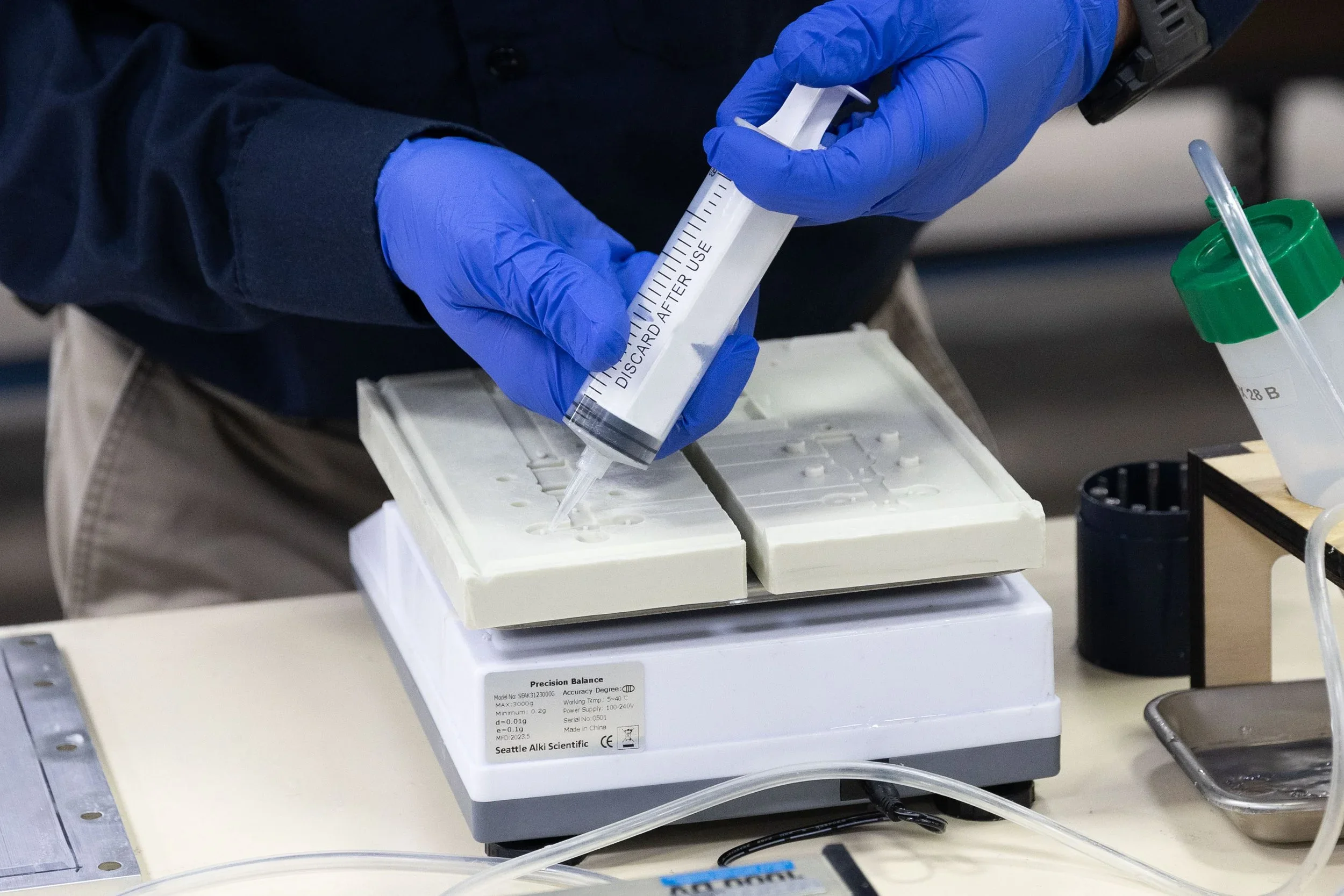
First, we review your part drawing or CAD file and identify any geometry that complicates mold release, requires side actions, or affects wall thickness uniformity. Second, we design the mold with draft angles and parting lines that suit your material. Third, we fabricate tooling in-house. Fourth, we pull first-article parts and review them against your tolerance requirements. If anything needs adjustment, it happens here before parts ship. The full process, from drawing review to molded first articles, runs faster when we're not waiting on an external tool shop. Reach out to the owners directly at (612) 800-0784 to get your project into the queue. You can also visit our facility page to see the operation before you commit.
Common questions
Still have questions?
Reach out to our owners directly — we'll walk you through it.
You might also be interested in

Assembly and Packaging
Learn more
Precision Cleaning and Passivation for Medical-Grade Parts
Learn more
Design and Product Development for Precision Manufacturing
Learn more
3D Printing and Rapid Prototyping for High-Spec Parts
Learn more
Custom Tooling & Process Solutions
Learn more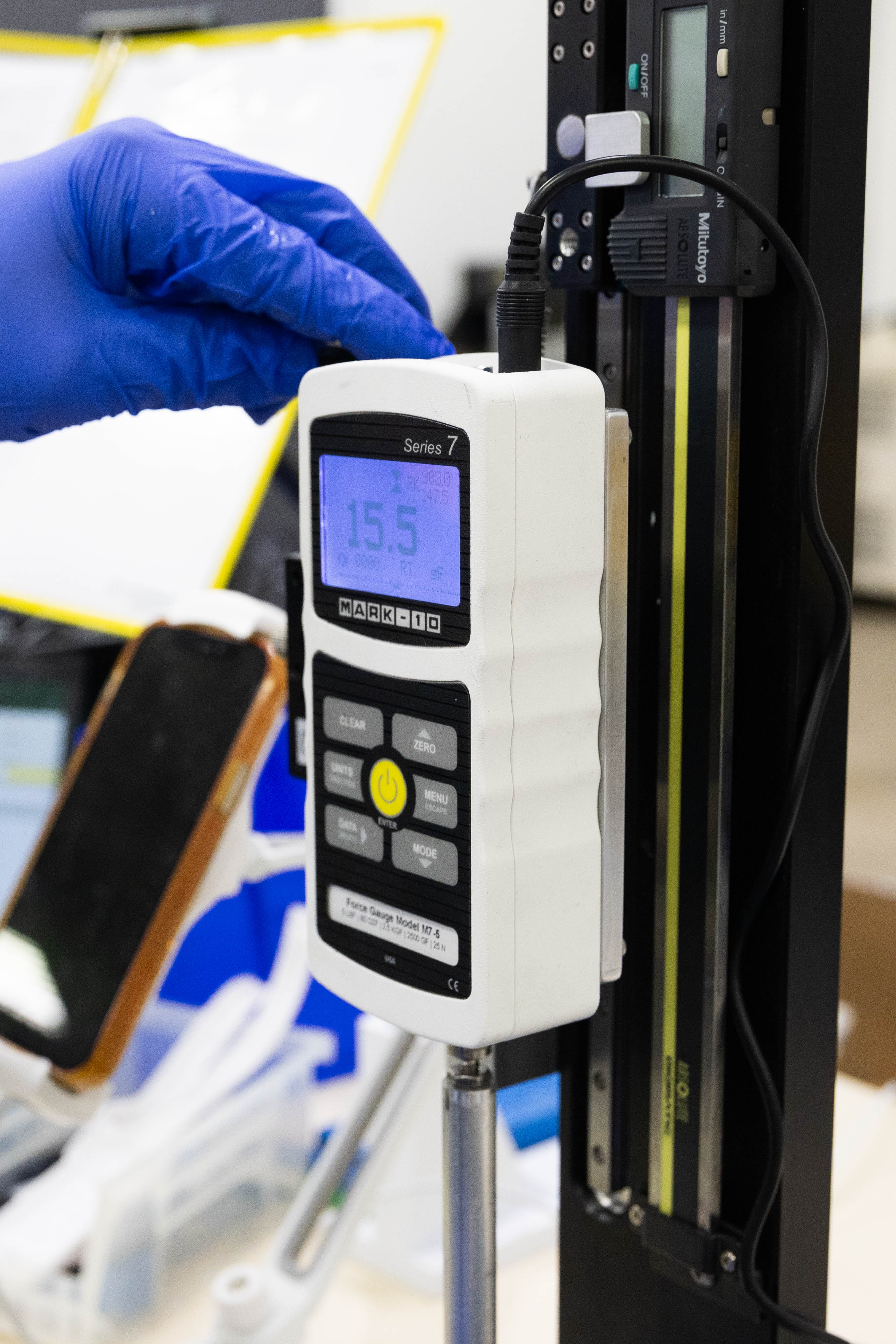
Testing Capabilities That Confirm Your Parts Are Production-Ready
Learn moreAccelerate your time to market.
Reach out to our owners directly. Rapid prototyping, precision laser processing, and production-ready solutions — on your timeline.