Nitinol Processing: Laser Cutting, Shape Setting, and Electropolishing
Why Lasermed Tech for Nitinol Processing: Laser Cutting, Shape Setting, and Electropolishing
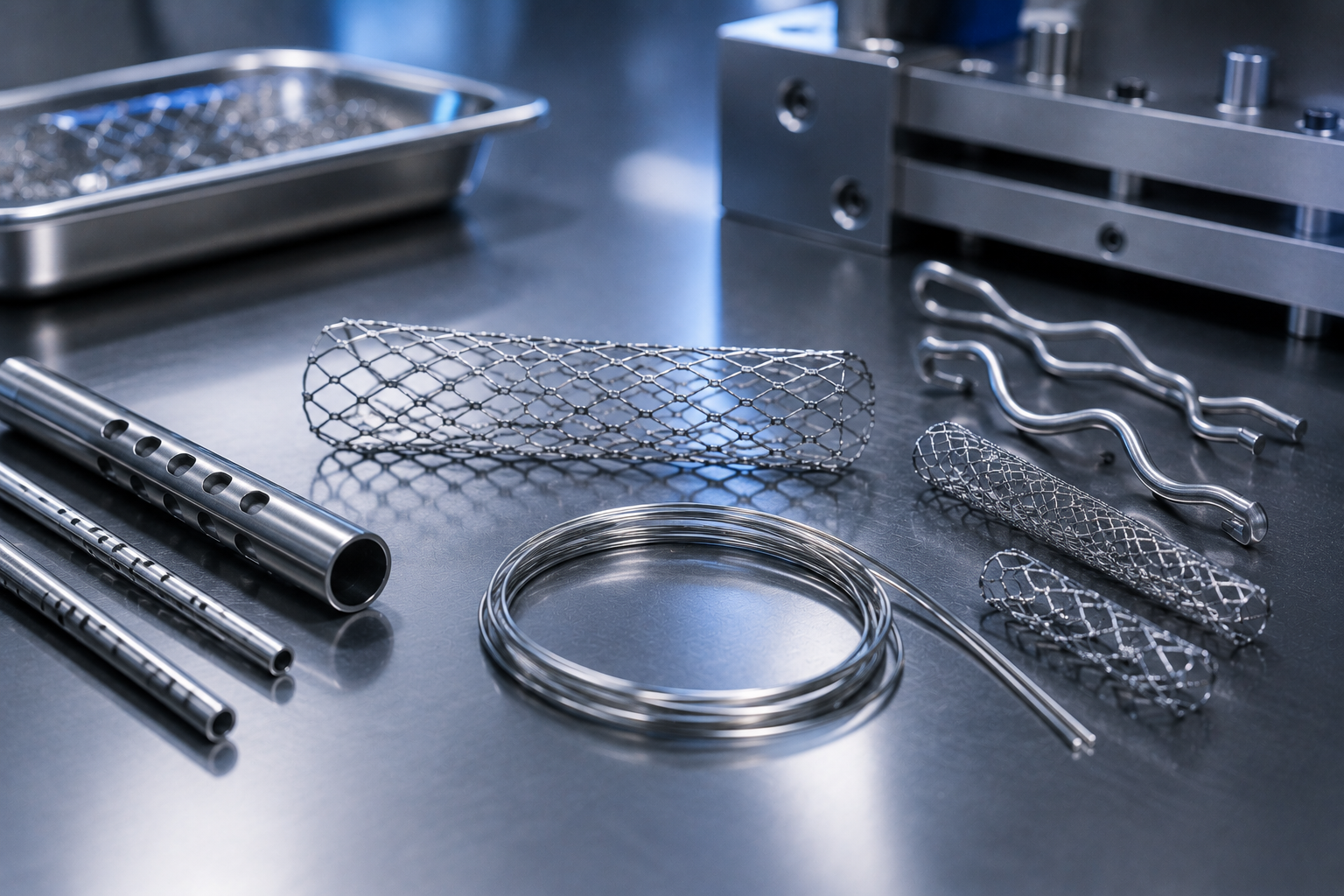
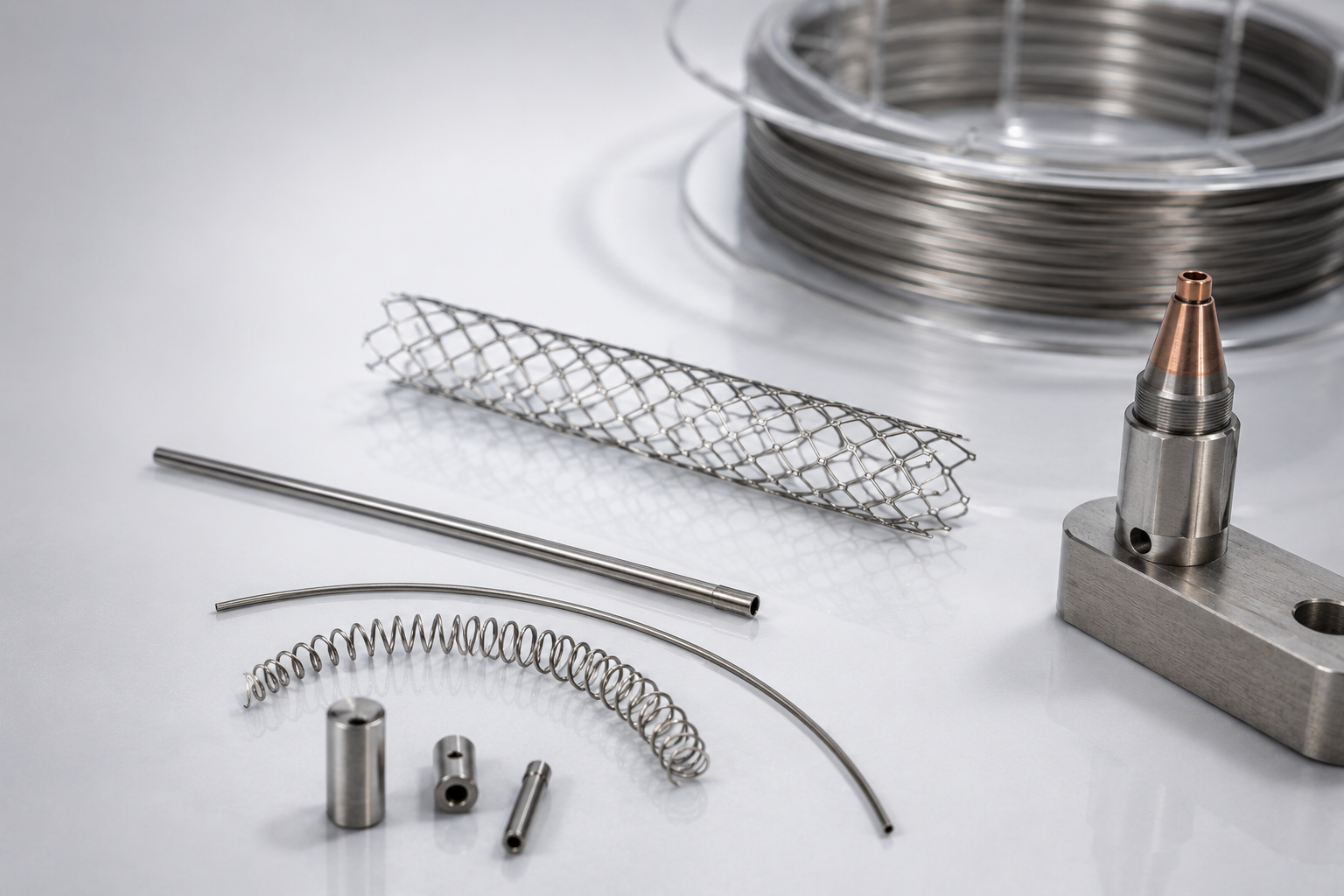
Nitinol is processed through a combination of laser cutting, shape setting with a mandrel and heat treatment, electropolishing, and AF testing. It's one of the most demanding materials in medical device manufacturing, and most laser shops won't touch it. Lasermed Tech has processed nitinol for medical, life sciences, and industrial customers for 7 years, with fully insured operations and owner Gary Graham available to talk through your project directly. If you've got a nitinol component that needs cutting, forming, or finishing, call (612) 800-0784 and you'll reach someone who's actually run the work.
Nitinol processing cost depends on part geometry, wall thickness, required surface finish, number of shape-set iterations, and whether electropolishing is flash or precision material-removal grade. Tight-tolerance stents and guidewire shapes with multiple bends cost more to process than simpler forms. Every job is different. Contact Lasermed Tech for an accurate estimate.
Have a project in mind?
Talk to our owners directly — same-day response.
How Nitinol Laser Cutting Works at Lasermed Tech
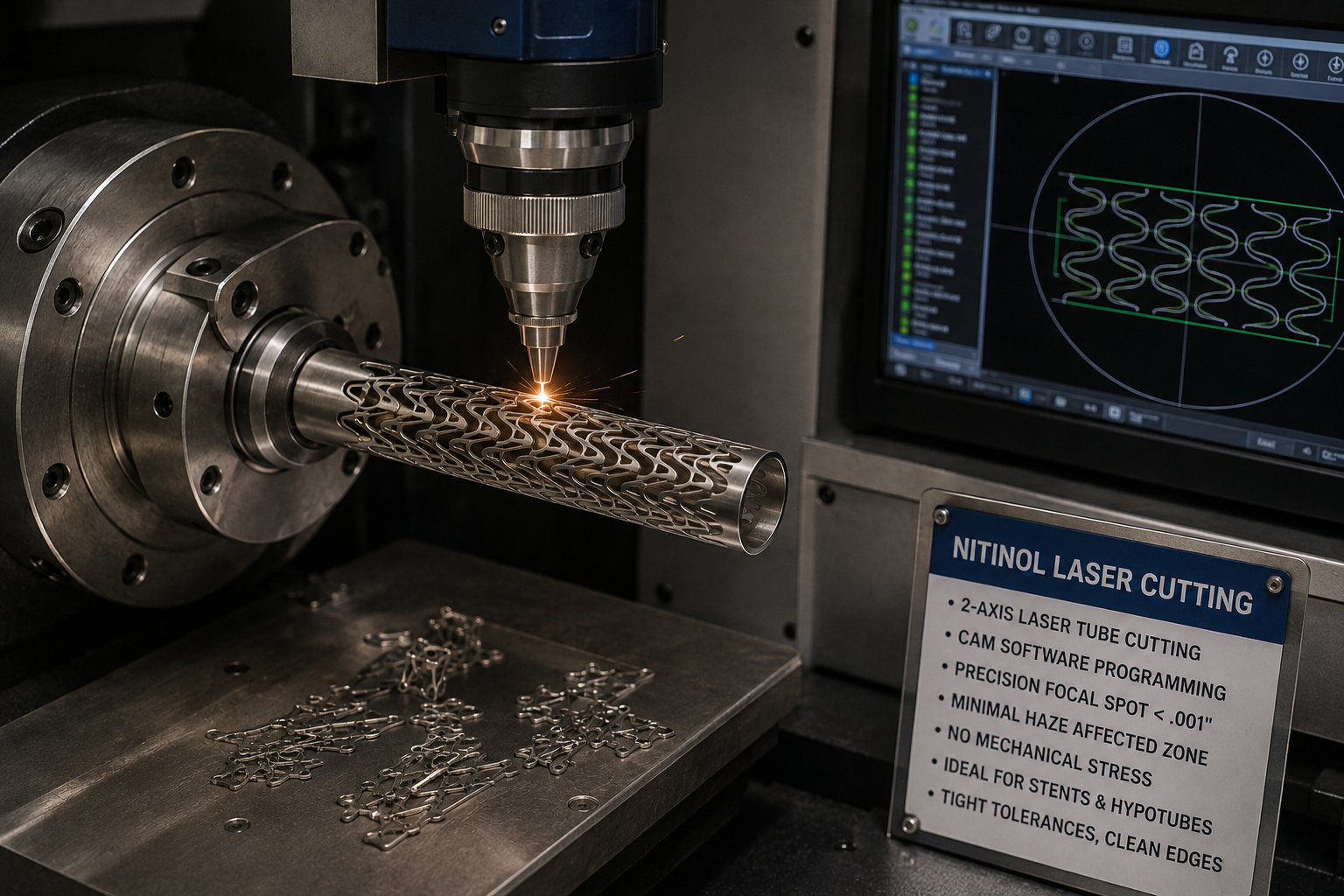
We use two-axis laser tube cutters paired with CAM software that converts your drawing directly into a cut program. No redrawing, no guessing at geometry. The laser focuses high energy to a focal point that evaporates material in a zone less than .001" in diameter. That level of precision matters for nitinol because the material work-hardens fast. Traditional mechanical cutting causes edge damage that compromises superelastic performance. Laser cutting doesn't. For tube-based components like stents or hypotube structures, our precision laser tube cutting process holds tolerances that mechanical methods can't touch.
Shape Setting: What We Actually Do With a Mandrel and Heat
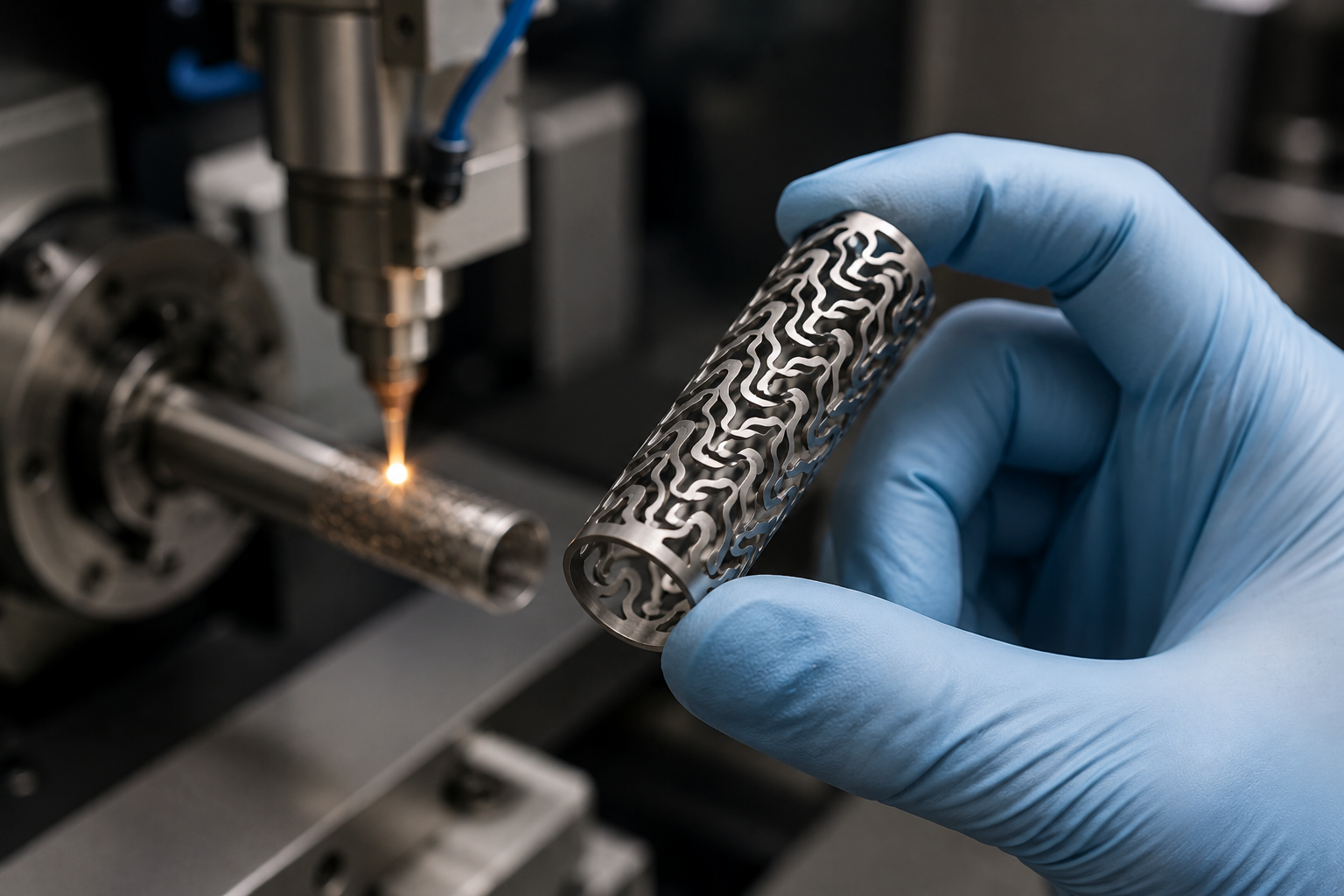
Shape setting is how you give nitinol its memory. We use extreme temperatures in combination with a stiff, stationary mandrel to hold the material in a defined geometry while heat treatment locks in the deformation. The result is a specific bend or form that the material returns to after deflection. Get the temperature wrong or rush the soak time and the memory is inconsistent. We've done enough shape-setting iterations to know that most first-run forms need refinement. We build that into the process rather than shipping something that fails at implant temperature. See how we approach prototyping and tooling if you're still developing the form geometry.
Want it done right?
Precision laser processing on production timelines — call to scope your project.
Nitinol Electropolishing: Flash vs. Precision Material Removal
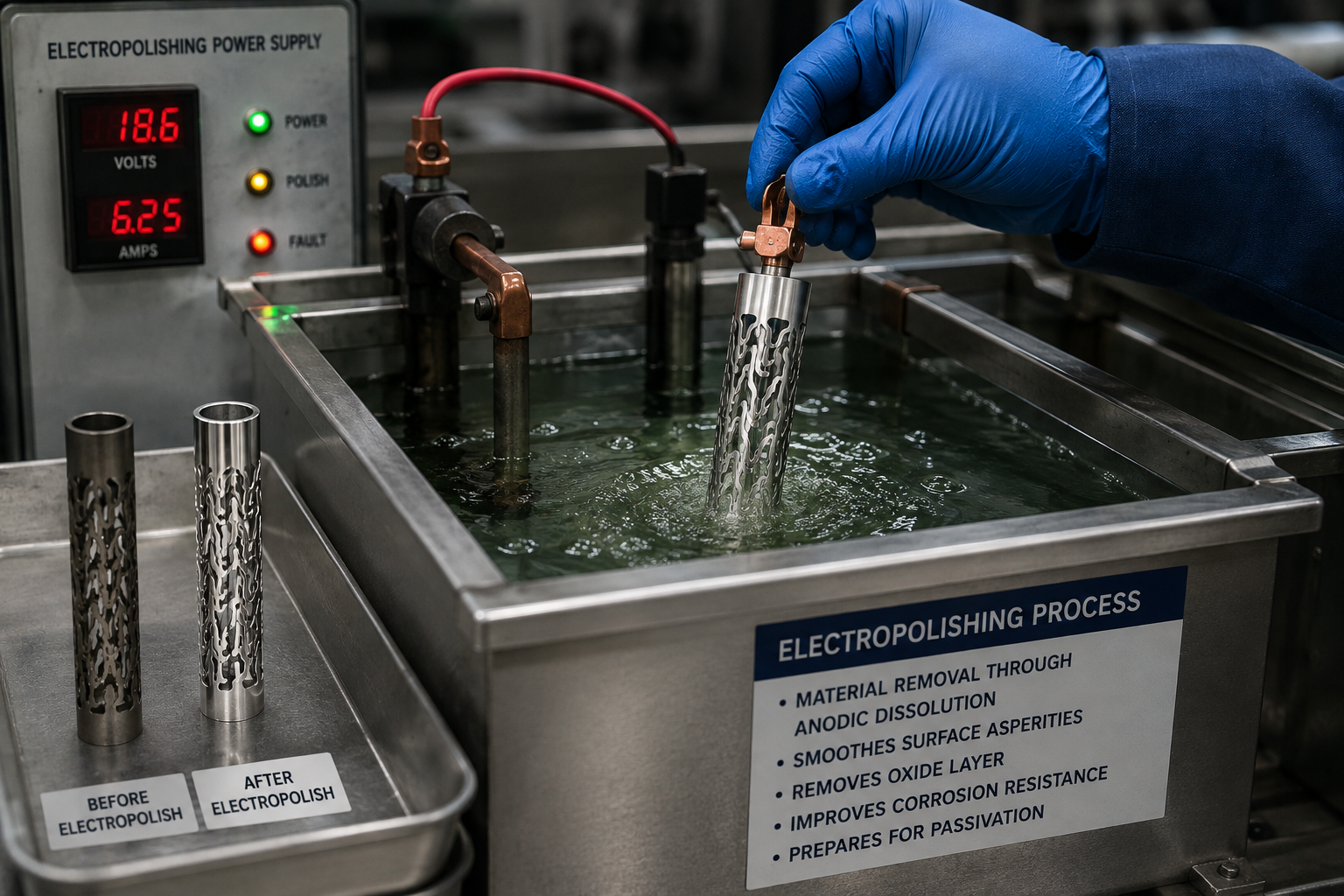
Electropolishing nitinol removes the oxide layer, smooths surface asperities, and prepares the part for passivation. We perform both flash electropolish and precision material removal processing through our trusted partners. Flash electropolish is a short-cycle treatment suited to cosmetic finish and basic oxide removal. Precision material removal is a controlled, time-calibrated process used when you need to hit a final OD tolerance after cutting. It's not the same thing. If your engineer has spec'd a surface finish Ra value, tell us that number when you call. Pair this with our cleaning and passivation service for a complete biocompatibility-ready finish.
Nitinol Testing: AF Testing and Material Composition
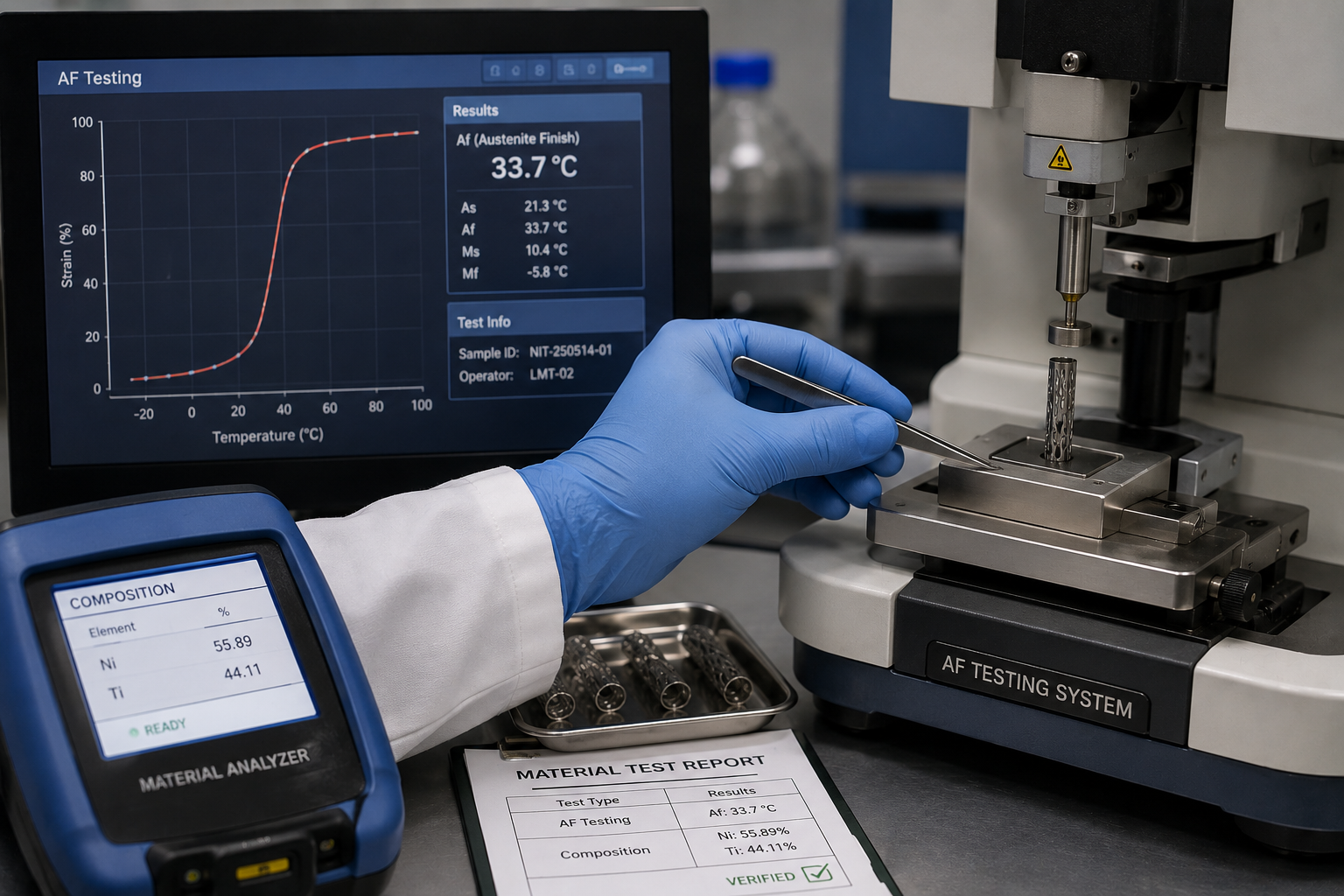
We perform AF (austenite finish) testing and material composition testing. AF testing tells you the temperature at which nitinol completes its transformation to the austenite phase, which is the number that determines whether your device performs at body temperature. If you don't test it, you're guessing. Material composition testing confirms nickel-titanium ratio and catches substituted or mis-certified stock before it becomes your patient safety problem. These aren't optional steps for medical device production. They're the verification layer that separates a production-ready component from a prototype assumption.
Want it done right?
Precision laser processing on production timelines — call to scope your project.
Nitinol Laser Welding
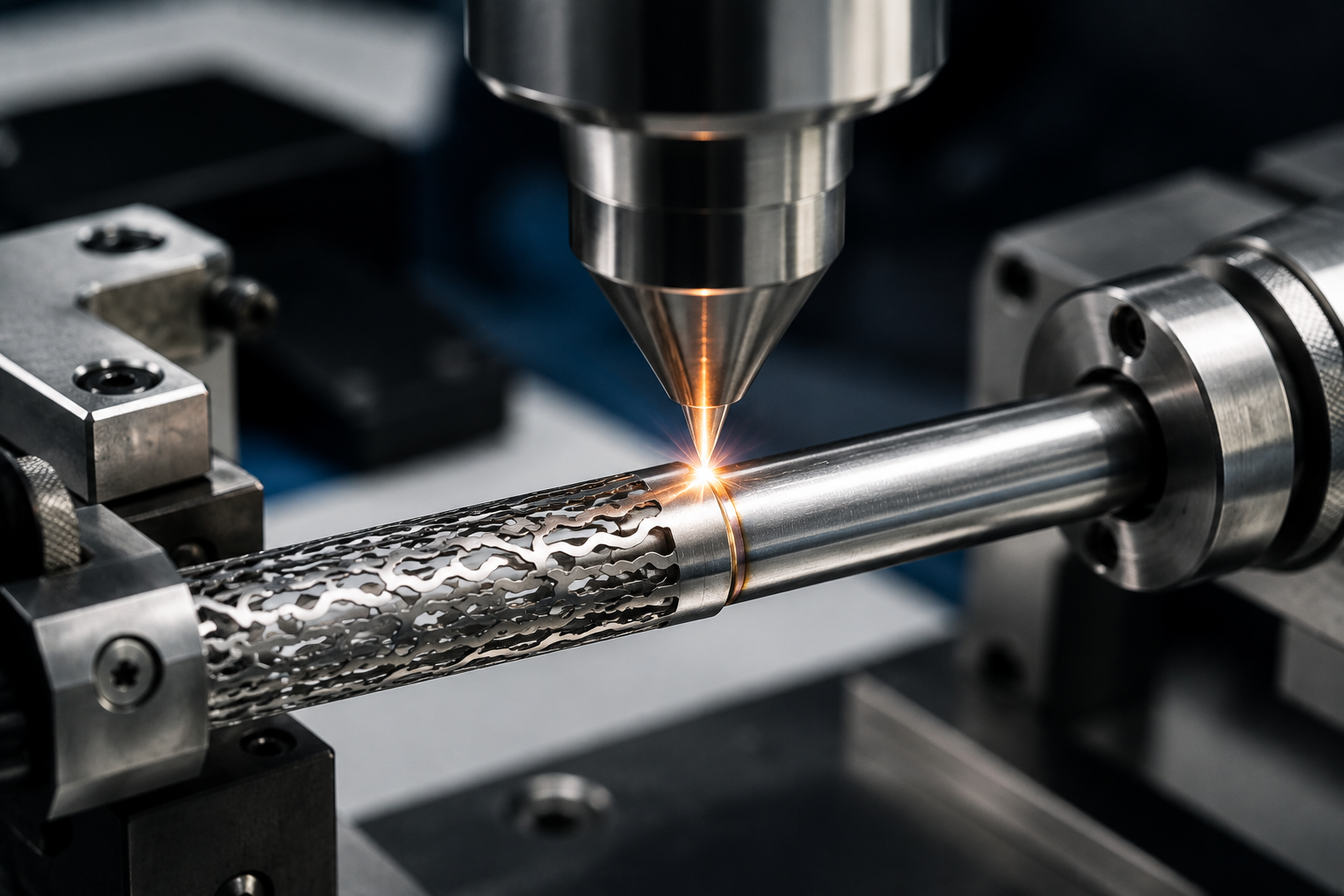
This process uses a focused beam for intense, localized heat. The beam melts the base material, forming a molten pool that fuses and bonds the joint. We can weld dissimilar materials together, which matters when you're attaching nitinol to stainless components in catheter or guidewire assemblies. The heat-affected zone in laser welding is small enough to avoid degrading the surrounding nitinol's superelastic properties. That's the key difference from TIG or resistance welding on this material. For larger assembly work, see our device assembly and packaging capabilities.
Microblasting for Nitinol Surface Finish
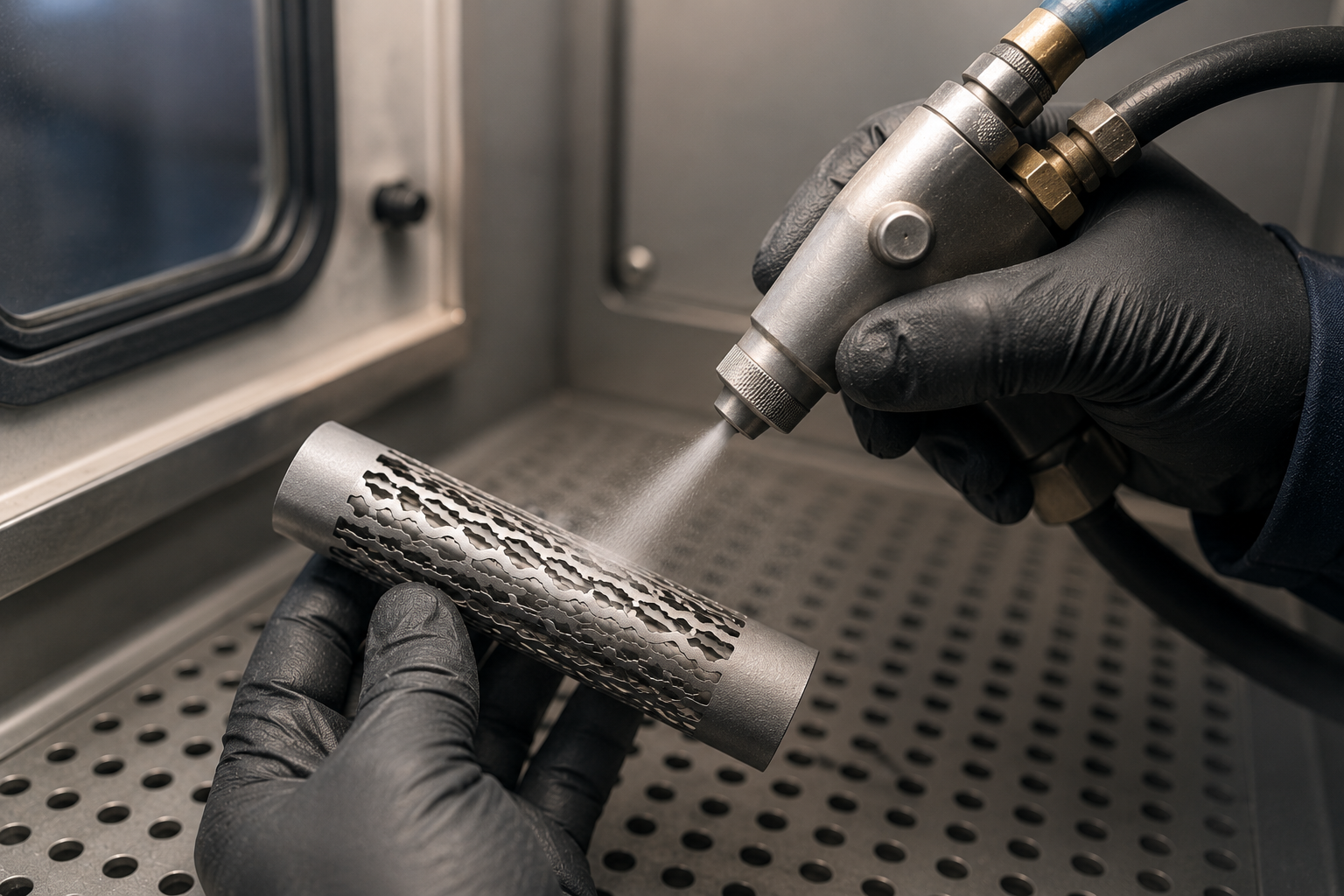
We use pressurized air and various blast media to achieve a specified surface finish across nitinol and other materials. Microblasting is used before electropolishing to remove laser oxide scale, after shape setting to de-stress surface layers, or as a standalone finish step for matte texture requirements. Media selection and pressure both affect the final Ra, so this isn't a one-setting-fits-all process. We select parameters based on your finish spec, not a default recipe. Check our product gallery for surface finish examples across nitinol and other processed materials.
Want it done right?
Precision laser processing on production timelines — call to scope your project.
Key Facts About Nitinol Processing at Lasermed Tech
Nitinol processing facts you should know before choosing a vendor:
- AF testing confirms transformation temperature; skip it and you don't know if your device activates at body temperature
- Laser cutting holds features under .001" diameter without work-hardening the cut edge
- Shape setting requires a mandrel and precise soak time; under-processing produces inconsistent memory
- Flash electropolish and precision material removal are different processes with different outcomes for final OD tolerance
- Material composition testing catches mis-certified stock before it reaches production
- Nitinol laser welding preserves superelastic properties because the heat-affected zone stays small
What Customers Say About Lasermed Tech
Reach out to our owners directly at (612) 800-0784 to discuss your nitinol project. We've been processing nitinol components for medical device and life sciences customers since our founding, and we work with engineers at every stage from prototype to production. Gary Graham and the team at Lasermed Tech are listed as a verified supplier on Chamfr and have exhibited at MDM West. You won't talk to a sales rep. You'll talk to someone who runs the equipment.
Common questions
Still have questions?
Reach out to our owners directly — we'll walk you through it.
You might also be interested in

Assembly and Packaging
Learn more
Precision Cleaning and Passivation for Medical-Grade Parts
Learn more
Design and Product Development for Precision Manufacturing
Learn more
3D Printing and Rapid Prototyping for High-Spec Parts
Learn more
Custom Tooling & Process Solutions
Learn more
Prototype Composite and Silicon Molding for Short Runs
Learn more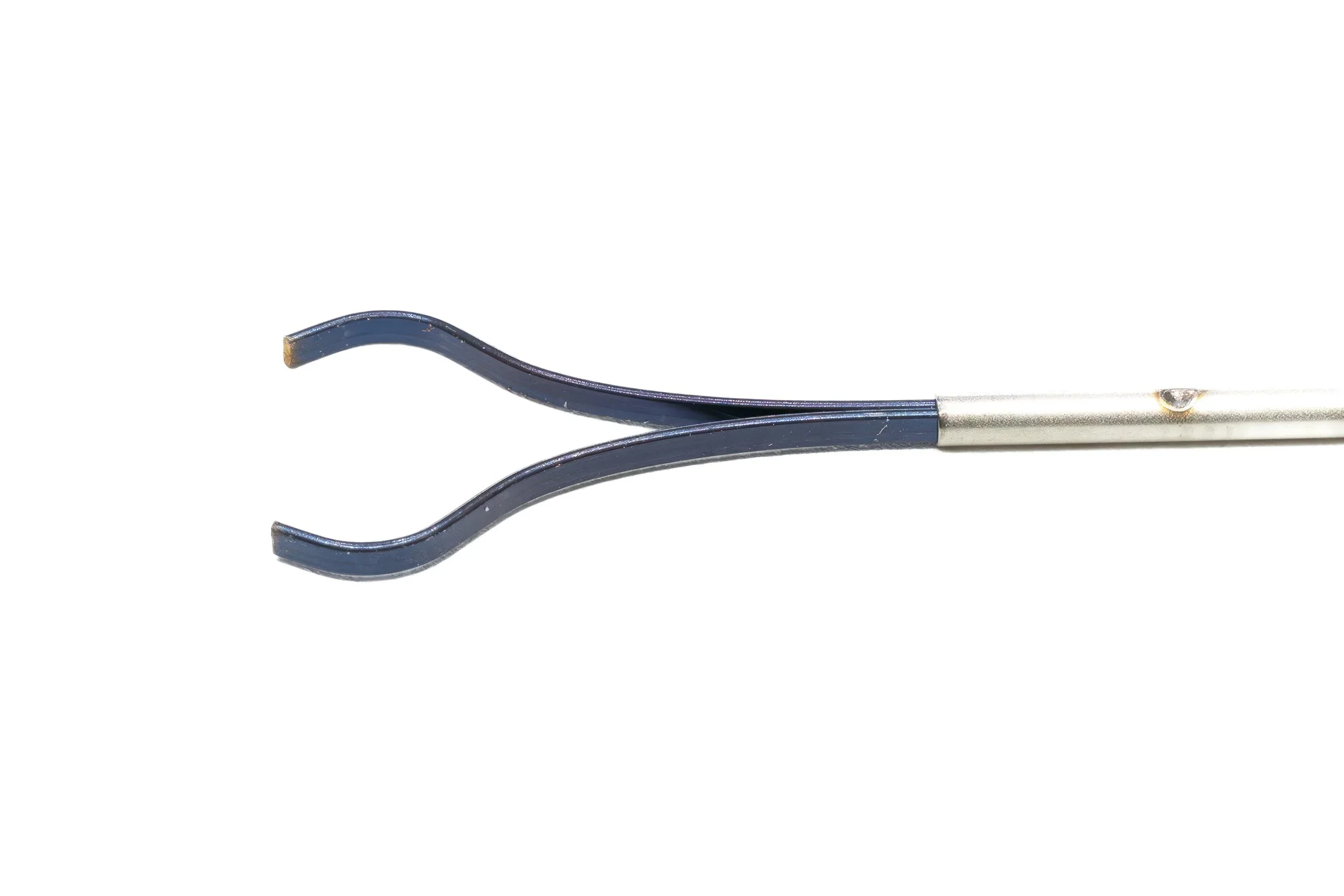
Accelerate your time to market.
Reach out to our owners directly. Rapid prototyping, precision laser processing, and production-ready solutions — on your timeline.